Pros and Cons of Purchasing a Used Truck Cap
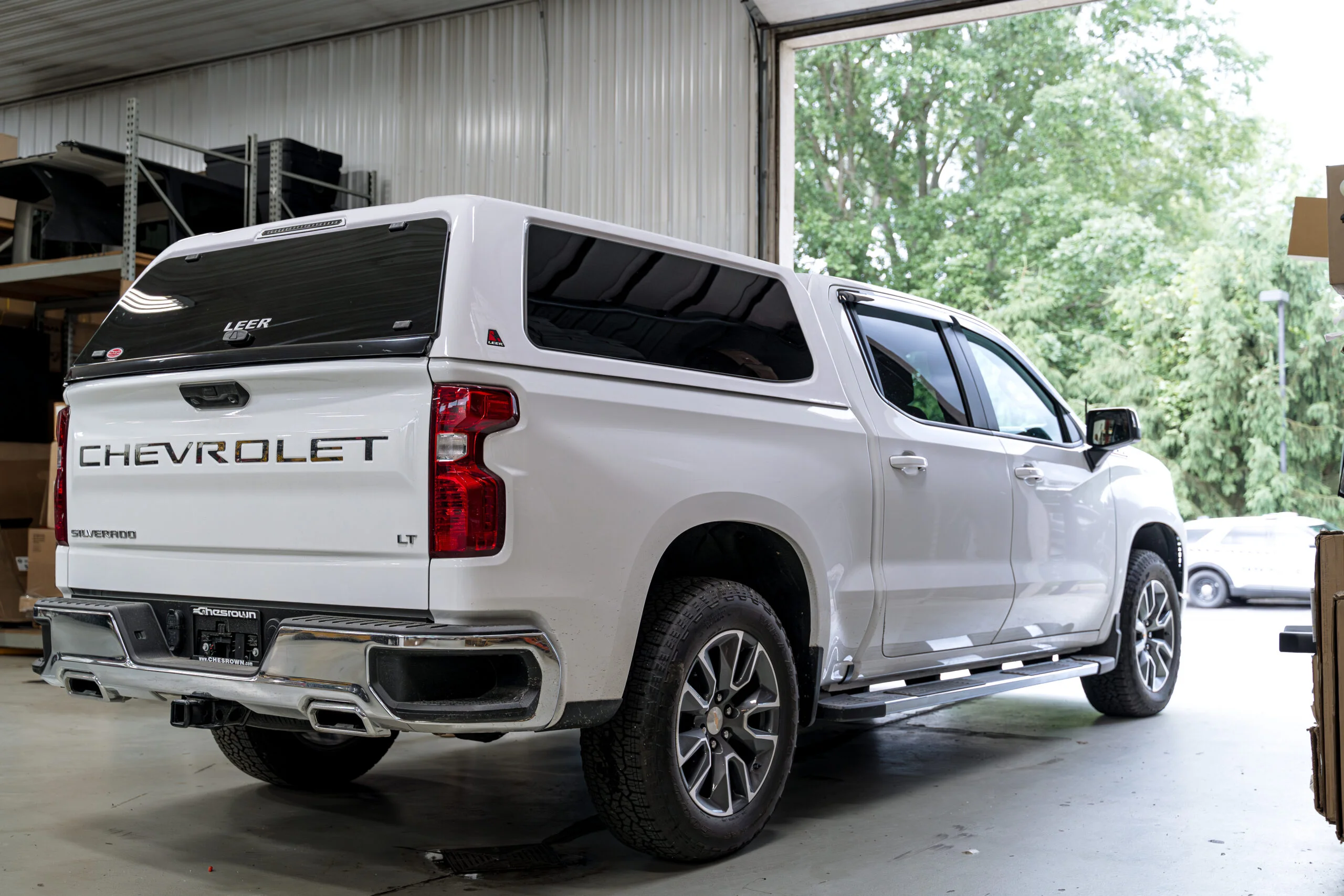
If you’re a truck owner, a truck cap is one of the most practical accessories you can invest in to protect your cargo, boost your vehicle’s functionality, and improve its overall appearance. However, purchasing a brand-new truck cap can sometimes be costly, which leads many buyers to consider a used one as an alternative. While buying used can offer significant savings, it also comes with its own set of pros and cons.
At our shops in Hilliard and Lewis Center, we see customers come in regularly with used caps they’ve purchased elsewhere, and we’ve noticed some consistent patterns in what works and what doesn’t.
Pros of Purchasing a Used Truck Cap
1. Cost Savings
One of the most compelling reasons to consider a used truck cap is the potential for substantial cost savings. New truck caps, especially those made of durable materials like fiberglass or featuring advanced customizations, can cost anywhere from $1,000 to $3,000 or more in our experience. A Fast-Top Solo cover for example goes for over $1,049 depending on your make and model.
In contrast, you might find a quality used truck cap for a fraction of that price. For budget-conscious buyers, a used truck cap can be a practical solution that delivers the same functionality at a lower cost.
2. Availability of High-Quality Materials
Truck caps are built to be durable, with many constructed from materials like fiberglass, aluminum, or ABS plastic, which can last for years with minimal maintenance. Because of this longevity, many used truck caps still have a lot of life left in them. Opting for a used cap made from high-quality materials allows you to enjoy long-term durability without paying the premium price tag of a new one.
3. Faster Availability
When buying a new truck cap, especially if you want specific customizations like paint matching or extra features, manufacturing, and delivery can have a waiting period. On the other hand, used truck caps are ready to go as soon as you find the right fit. You can often install a used cap on the same day, saving time and getting you on the road with added cargo protection much more quickly.
4. Environmental Impact
Opting for a used truck cap is an eco-friendly choice. By reusing an existing cap rather than purchasing a new one, you’re helping to reduce the demand for raw materials and manufacturing resources. It’s a small step toward sustainability that reduces waste and minimizes your carbon footprint.
5. Unique or Custom Options
Truck caps come in many designs and configurations, and the used market often has a wide variety of options, including older models or discontinued styles. You may even come across a custom-painted or uniquely outfitted truck cap that perfectly suits your preferences. The used market can present opportunities to find a unique cap that you might not be able to buy new.
Cons of Purchasing a Used Truck Cap
1. Limited Availability
One of the biggest challenges of purchasing a used truck cap is finding one that fits your specific make and model. Truck caps fit particular truck beds, and while you can adjust some of them, most are custom-fit to certain vehicles. If you don’t find a cap that fits your truck bed’s dimensions precisely, you could face leaks or reduced functionality. You may also have limited access to the exact color match, meaning the used cap might not blend seamlessly with your truck’s appearance.
2. Wear and Tear
A used truck cap may come with signs of wear and tear that affect its appearance or functionality. For example, fiberglass caps can have scratches, chips, or faded paint, while aluminum caps may have dents. Even more durable materials may develop minor imperfections requiring repair or refinishing. Even minor cosmetic damage may lead to extra costs for restoring the cap’s appearance. If you care less about the aesthetics of the cap, then your main concern will be looking for structural damage like cracks or malfunctioning latches that could affect the cap’s ability to properly safeguard your cargo.
3. Limited or No Warranty
When you purchase a new truck cap, it often comes with a manufacturer’s warranty that covers defects or damages for a certain period. Used caps, on the other hand, typically do not have this benefit. This means that if something goes wrong with your used cap after purchase, you’ll be responsible for covering any repair or replacement costs. If the cap develops issues shortly after you buy it, you could end up spending more money on repairs than you initially saved by buying used.
4. Difficulty Finding Accessories or Parts
Truck caps, especially older or discontinued models, may require specific parts or accessories that are no longer easy to find. You may have difficulty sourcing those parts if you purchase a used cap that needs new hardware, latches, or seals. Additionally, some older caps might not be compatible with newer truck models or bed features, such as tonneau covers or built-in bed liners, limiting the overall usability.
5. Lack of Customization Options
While you can often customize new truck caps to match your truck’s color, shape, and features, used caps are sold as-is. This means you’ll have less flexibility in getting a cap that perfectly matches your truck’s design or features. If aesthetics are important to you, or if you want specific add-ons like roof racks, windows, or interior lighting, a used truck cap may not offer the desired options.
What to Look For When Inspecting a Used Truck Cap
Buying a used truck cap is a bit like buying a used vehicle, a thorough inspection before you commit can save you a lot of headaches down the road. Here’s what to check:
1. Fitment First
Before anything else, confirm the cap is designed for your exact truck make, model, cab style, and bed length. A cap built for a 5’8″ bed won’t seal correctly on a 6’6″ bed, no matter how good a deal it is. Ask the seller for the year, make, and model it was pulled from, and cross-reference it against your truck before you even bother inspecting the rest.
Test the fit by looking down the length of the cap from each end. It should sit level and symmetrically on the bed without any visible twisting, warping, or gaps along the bed rail. In our experience, if it’s not laying right, it’s been improperly stored and will likely never seal correctly.
2. Seal and Weatherstripping Condition
Run your hand along the entire perimeter seal where the cap meets the bed rail. Look for cracking, hardening, flattening, or gaps. A compromised seal means water intrusion, which can damage cargo and lead to rust on your bed rails over time. The good news is that weatherstripping is usually replaceable, but factor that cost in if the seals look worn.
3. Latch and Lock Function
Open and close every latch: rear, side windows, and any pass-through doors. They should operate smoothly and lock securely without excessive force. Sticky or misaligned latches can indicate the cap was in a minor collision, has been improperly stored, or has warped over time. Replacement latches and hardware can be difficult to source on older or discontinued models.
4. Glass and Windows
Inspect every piece of glass for cracks, chips, and fogging between panes (a sign the seal has failed on dual-pane windows). Slide windows open and close to confirm they move freely and latch shut without play. Cracked glass is a safety issue and can be costly to replace, especially on older caps where the glass may be a non-standard size.
5. Fiberglass or Paint Condition
For fiberglass caps, look at the paint and gel coat in direct light. Surface scratches and minor fading can often be corrected with a polish or a respray. What you want to avoid are deep cracks, stress fractures (spiderweb-like cracking, especially at the corners), or repairs that have been poorly patched. These can indicate structural compromise. Check the underside of the cap as well, it’s often overlooked but can reveal cracks or damage not visible from outside.
6. Clamp and Mounting Hardware
Check that all the mounting clamps are present and in working condition. Missing or damaged clamps mean the cap won’t secure tightly to the bed, which creates gaps, rattles, and potential for the cap to shift or come loose at highway speeds. Replacement clamps are available for most major brands, but confirm parts are still accessible for the model you’re looking at.
7. Interior Condition
If the cap has a headliner or interior carpet, check for water stains, mold, or mildew smell, a strong indicator that the seals have been leaking for some time. Even if the issue is resolved, lingering moisture and odor can be difficult to fully eliminate.
Not sure what you’re looking at? Our team at Pickups Plus Cars is happy to assess a used cap you’re considering, or help you find a new or pre-owned cap that fits your truck properly. Stop by our Hilliard or Lewis Center locations and we’ll point you in the right direction.
How Pickups Plus Cars Can Help With Your Used Truck Cap
Buying used doesn’t mean you have to live with a cap that doesn’t look or function exactly the way you want. At our Hilliard and Lewis Center shops, we work with truck caps every day and we offer several services that can take a used cap from rough to road-ready.
Color Matching
One of the most common frustrations with a used cap is that it doesn’t match your truck’s paint. We offer color matching to OEM paint codes, so your cap looks like it came from the factory that way. Whether the previous owner had it painted a different color or the finish has just faded over time, we can get it dialed in.
Professional Installation
Even if you sourced your used cap elsewhere, we can handle the install. Proper fitment matters. A cap that isn’t seated and clamped correctly won’t seal against the weather or sit level on the bed. Our team installs caps on all major truck makes and models and will make sure yours is fitted right the first time.
Weather Sealing
If the perimeter seals on your used cap are cracked, compressed, or leaking, we can address that too. We offer weather sealing and drainage integration as part of our cap service work, so you don’t have to worry about water getting into your bed.
Accessories and Upgrades
A used cap doesn’t have to stay basic. We can add roof racks, ladder racks, gear mounts, power locking, and interior lighting kits to most caps, giving you the functionality you’d expect from a new build at a fraction of the cost.
Parts and Repairs
If your used cap has a sticky latch, cracked glass, or other hardware issues, bring it in. We handle parts, repairs, and general maintenance on truck caps, so you have a local resource to turn to rather than hunting down parts on your own.
Whether you need a full color match or just a proper installation, reach out to our team or stop by either location, we’ll take a look and let you know what’s possible.
STAY CONNECTED
Follow us online to keep up on future updates, discounts, new products, and new projects.


