image

ACCESS SOLUTIONS FOR LIFTED TRUCKS

Getting in and out of a lifted truck or a tall SUV shouldn't require a step stool. Running boards and step bars solve a real access problem, and on lifted builds, they're not optional. The factory step bar that worked at stock height doesn't reach the same way once the truck is up 4 inches. Beyond access, the right step also protects the rocker panels and gives the truck a finished, intentional look rather than an afterthought.

As part of our broader truck accessories and installation work, we carry running boards, step bars, nerf bars, and power running boards for trucks and SUVs at both our Lewis Center and Hilliard locations. The right choice depends on your truck's cab size, lift height, how it looks with the existing build, and whether you want something that retracts automatically. We've been fitting these on Central Ohio trucks and SUVs since 1999, and we install everything in-house.

MORE PICKUP TRUCK ACCESSORIES

STEP STYLES, TYPES & INSTALLATION

We carry multiple step and running board styles across truck makes, models, and configurations. Whether you need a clean step bar for a daily driver or a heavy-duty board for a lifted work truck, we'll fit it correctly and install it at either location.

Running Boards

Running boards provide a full-length step surface the length of the cab, making entry and exit easier for passengers of all sizes. They're the most common choice for family trucks and SUVs and come in aluminum, steel, and textured finishes. We confirm cab size and mounting hardware before ordering to make sure the fit is right.

Step Bars & Nerf Bars

Step bars and nerf bars use a round or oval tubular profile for a cleaner, more minimal look than a full running board, and work well on lifted trucks where a shorter step is acceptable. We carry steel and stainless options in black and polished finishes, and nerf bars double as side protection against rocker panel impacts in parking lots.

Power Running Boards

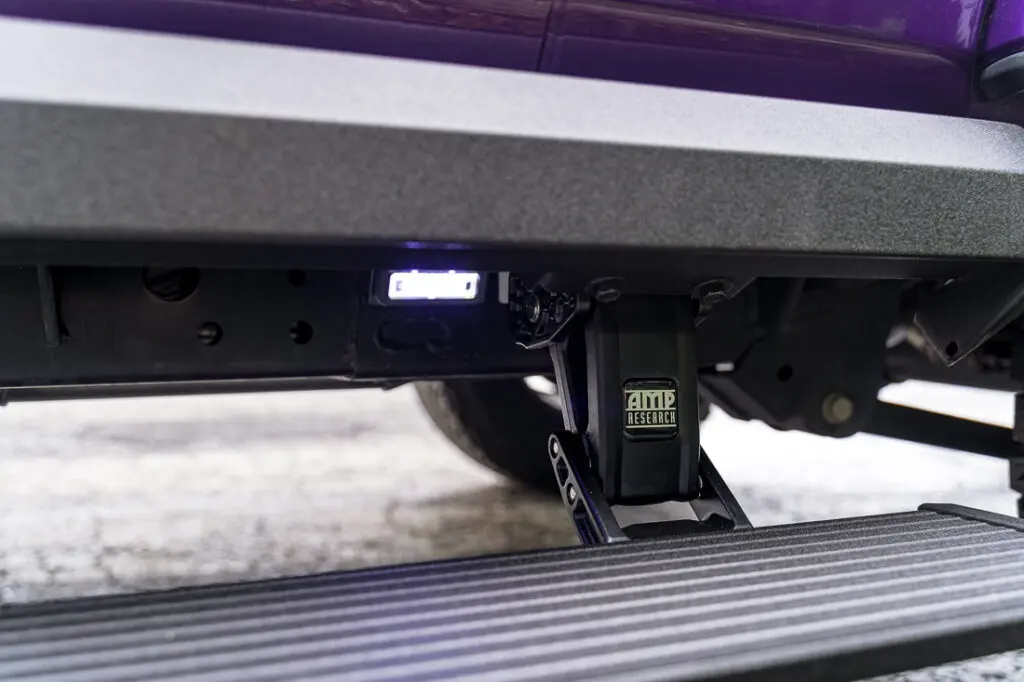
Power running boards extend when the door opens and retract flush with the body when it closes, keeping the truck's profile clean when they're not in use. We install aftermarket power boards on trucks that didn't come with them from the factory and replace factory boards that have failed. Both involve mechanical mounting and wiring to the door sensors.

Fitment & Installation

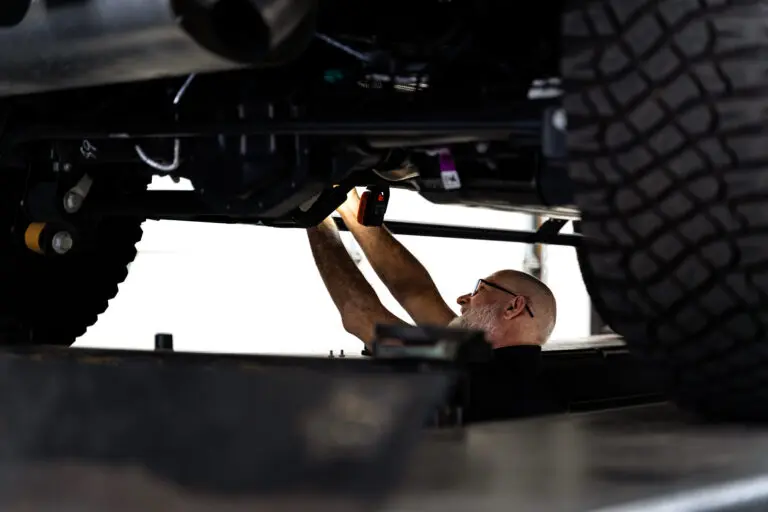
Running boards and step bars are vehicle-specific: cab size, bed length, wheel well position, and lift height all determine which bracket kit and board length will actually fit. We verify fitment before ordering anything and install at either our Lewis Center or Hilliard location. A proper install takes a fraction of the time a bad one does to fix, so we don't shortcut it.

YOU NEED THIS IF:

  • You or your passengers struggle to get in and out of a lifted truck or tall SUV
  • You've lifted your truck and the factory step bar no longer sits at a usable height
  • You want to protect the rocker panels while adding a finished look to the build
  • You want power running boards, either to replace failed factory boards or to add them to a truck that didn't come with them
  • You're finishing a build and want the right step bar to match the overall look
Talk to Our Experts

COMMON QUESTIONS ABOUT RUNNING BOARD & STEP BARS

  • What's the difference between a running board and a step bar?

    A running board is a flat, full-length step surface that runs the length of the cab. It provides a wider, more stable step and is easier for passengers who need extra support: kids, older adults, or anyone carrying gear. A step bar or nerf bar uses a round or oval tubular profile. It's a more minimal look and typically less expensive, but provides a smaller step surface. Both solve the same access problem; the right choice depends on how you use the truck and what look you're going for. We carry both styles and can show you the options on your specific truck.
  • Do running boards work with a leveling kit or lift?

    Yes, with the right selection. A standard running board or step bar that works at stock height may sit too low or at an awkward angle after a lift, depending on the lift height and the board's mounting position. For trucks with 2–3 inch leveling kits, most standard boards still work fine. For taller lifts, you'll want a board or step bar designed for lifted applications, and the mounting hardware may need modification. We factor your lift height into the fitment before recommending anything.
  • Are power running boards worth it?

    It depends on who's getting in and out of the truck. Power boards are a significant convenience upgrade on a lifted truck where the step-up height is substantial. The board coming out to meet you makes a real difference, especially for shorter passengers or when you're carrying things. They're also a cleaner look when you're not using them. The trade-off is cost and an electrical component that can fail over time. For a daily driver that carries passengers regularly, most people who have them wouldn't go back to a fixed board. For a work truck that mostly carries one person, a standard step bar is probably the practical call.
  • Do you carry running boards for specific truck brands?

    Yes. Running boards and step bars are vehicle-specific products. They're built to match the cab size, mounting points, and wheel well positions of particular makes, models, and years. We carry options for Ford, Chevy, GMC, Ram, Toyota, Nissan, and other common truck platforms, as well as full-size SUVs. When you come in, bring your year, make, model, and cab size, and we'll confirm what fits. If you've added a lift or modified the suspension, let us know that too.

Contact form

form image

Reviews

Top