Sound Systems
Schedule Service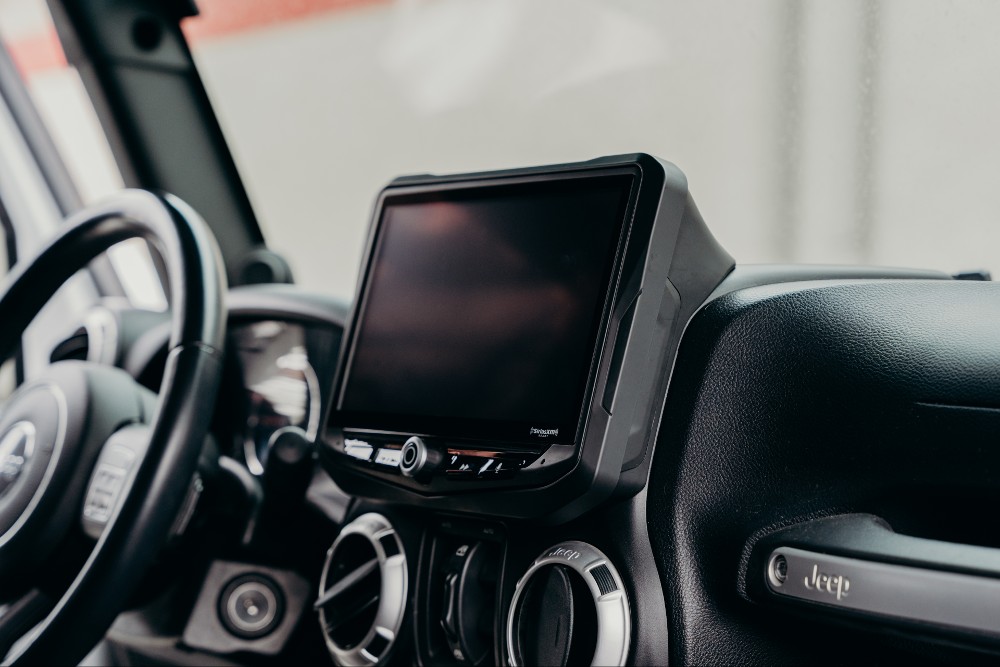
Full Automotive Audio Solutions
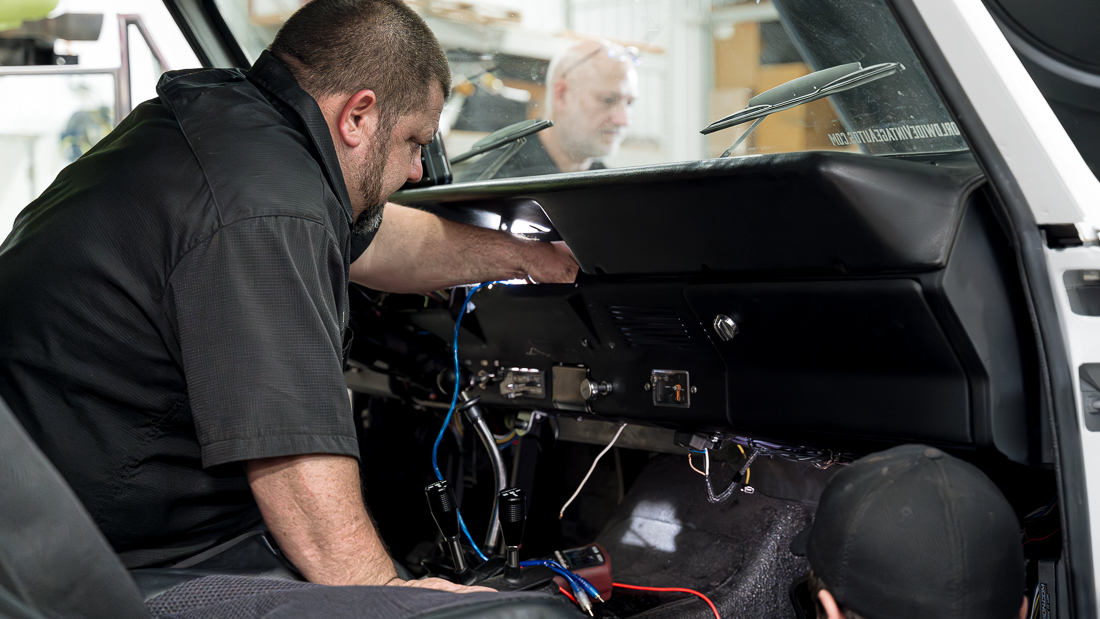
We specialize in delivering high-quality automotive sound systems that transform your driving experience! Whether you're looking to upgrade your factory speakers, add a subwoofer for deeper bass, or install a complete custom audio setup, our expert technicians provide top-notch installation tailored to your vehicle and preferences. We offer a wide range of audio components from industry-leading brands to ensure crystal-clear sound, powerful bass, and immersive audio quality. With our attention to detail and professional service, you can trust us to elevate your car's audio system for superior sound on every drive.
Sound Systems and Automotive Electronics
-
Speaker Upgrades
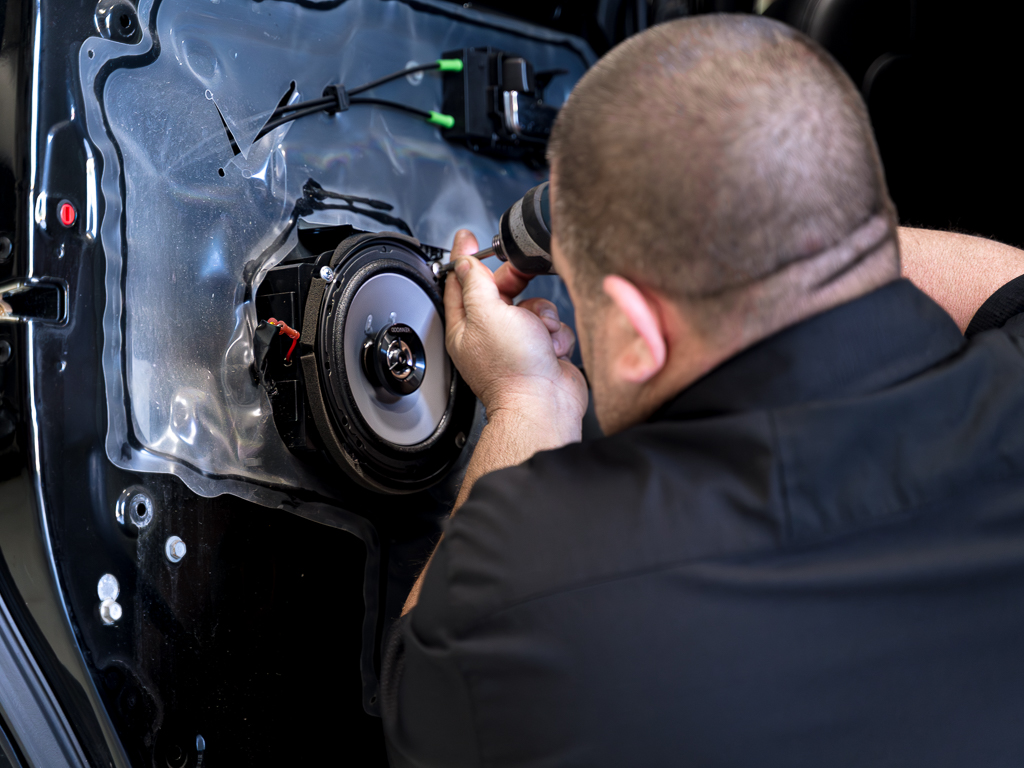
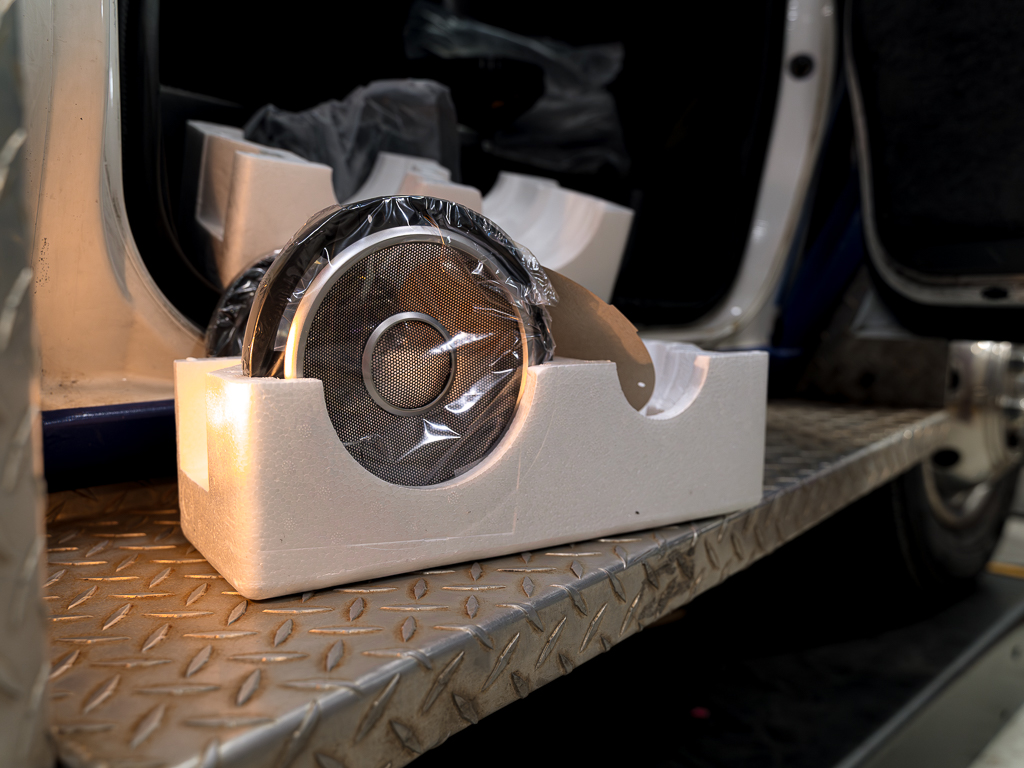
Upgrade your vehicle's factory speakers with premium options from top audio brands. High-quality speakers deliver enhanced clarity, improved range, and rich sound quality that can dramatically improve your listening experience. From full-range speakers to component sets, we provide professional installation to ensure your new speakers are seamlessly integrated into your vehicle's interior, without compromising its aesthetics.
-
Amplifiers
Amplifiers are the key to unlocking the full potential of your vehicle's sound system, delivering the power needed to enhance clarity, volume, and overall sound quality. We offer a wide range of high-performance amplifiers to suit every audio setup, from boosting your factory speakers to powering a custom system with multiple components. Whether you're after clean, crisp highs or powerful bass, our expert technicians will professionally install and tune your amp for optimal performance, ensuring your music sounds fuller and more dynamic with every drive.
-
Subwoofers
Subwoofers are essential for adding deep, rich bass to your car's sound system, taking your audio experience to the next level. From compact models that fit seamlessly into your vehicles interior to larger, to high-powered options that deliver intense, rumbling lows, we can get you set up with whatever you need. Our expert team ensures the perfect balance between your subwoofer and the rest of your sound system, providing a clean, distortion-free bass that enhances every genre of music.
-
Upgraded Head Unit (Radio)
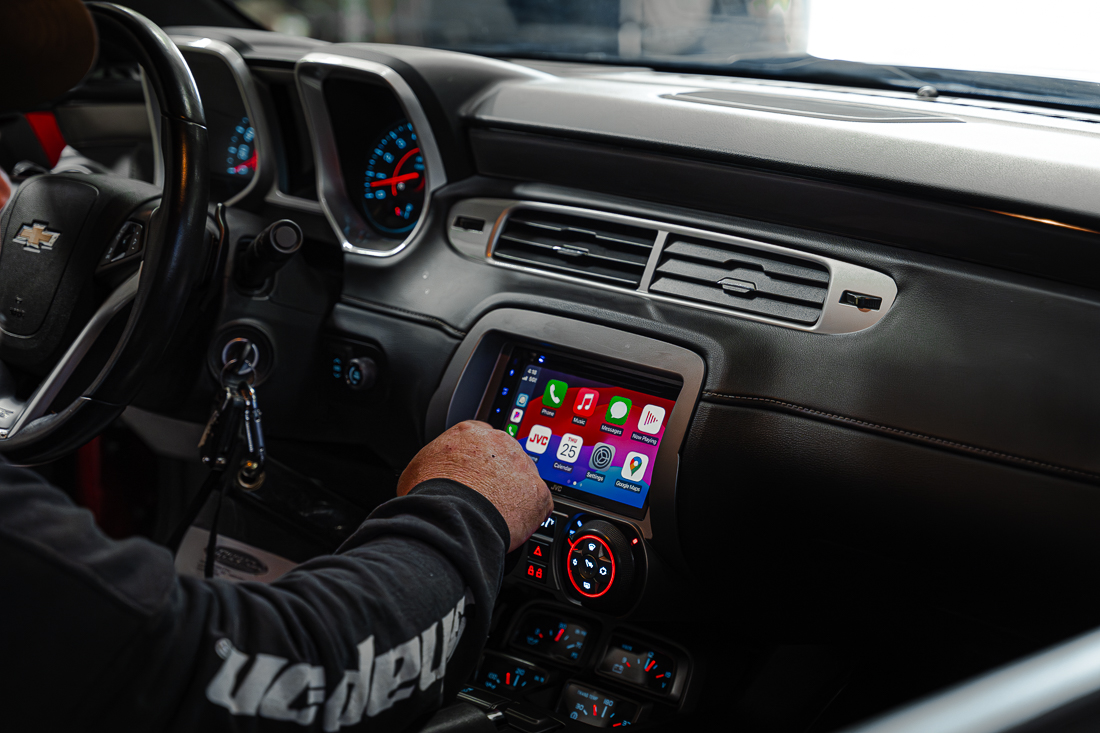
Upgrading your vehicle's head unit is one of the best ways to enhance both your sound quality and overall driving experience. At Pickups Plus Cars, we offer a variety of advanced head units featuring the latest technology, including touchscreen displays, Bluetooth connectivity, Apple CarPlay, Android Auto, and GPS navigation. An upgraded head unit provides superior control over your audio system, offering better sound customization, improved signal processing, and seamless integration with your smartphone and other devices.
SUBSERVICES
Automotive Sound Systems FAQ's
What are the benefits of upgrading my vehicle’s sound system?
Upgrading your sound system improves the overall audio quality, offering clearer highs, deeper bass, and a more immersive listening experience. It can also provide additional features like Bluetooth connectivity, enhanced control over sound settings, and compatibility with modern devices like smartphones for streaming and navigation.Can I keep my factory head unit and still upgrade my sound system?
Yes! You can upgrade components like speakers, amplifiers, and subwoofers while keeping your factory head unit. We can integrate these new components into your existing setup, providing improved sound quality without replacing the head unit, which can be ideal for maintaining a factory look.What’s the difference between a subwoofer and a regular speaker?
A subwoofer is designed specifically to produce low-frequency sounds, or bass, that regular speakers cannot handle effectively. Adding a subwoofer to your system delivers deeper, more powerful bass, enhancing the overall richness and depth of your music, especially in bass-heavy genres like hip-hop or EDM.How do I choose the right amplifier for my sound system?
The right amplifier depends on the components in your system and your listening preferences. You'll need an amp that provides enough power to drive your speakers and subwoofers without distortion. Our experts at Pickups Plus Cars can help you select and install the perfect amplifier to match your system for maximum performance.
Gallery
Contact form
Contact Form Services