image

MAINTENANCE DONE RIGHT

Routine maintenance is straightforward work, but it's also where some shops lose customer trust. A shop that recommends services you don't need, overcharges for basic jobs, or rushes through an oil change isn't doing you any favors. We approach maintenance the same way we approach everything else: tell you what the vehicle actually needs, do it correctly, and skip recommending anything it doesn't.

We handle oil changes, fluid services, filter replacements, brake inspections, and scheduled upkeep for cars, trucks, and SUVs at both our Lewis Center and Hilliard locations. We follow manufacturer recommendations as a baseline and flag anything that's approaching the end of its service life. In our experience, vehicles that consistently come in for basic upkeep cost their owners significantly less in repairs over the long run. 

SCHEDULE WITH US

WHAT'S INCLUDED IN ROUTINE MAINTENANCE

Routine maintenance covers the scheduled services that keep a vehicle safe and reliable. Here's what we handle and why each one matters.

Oil & Fluid Services

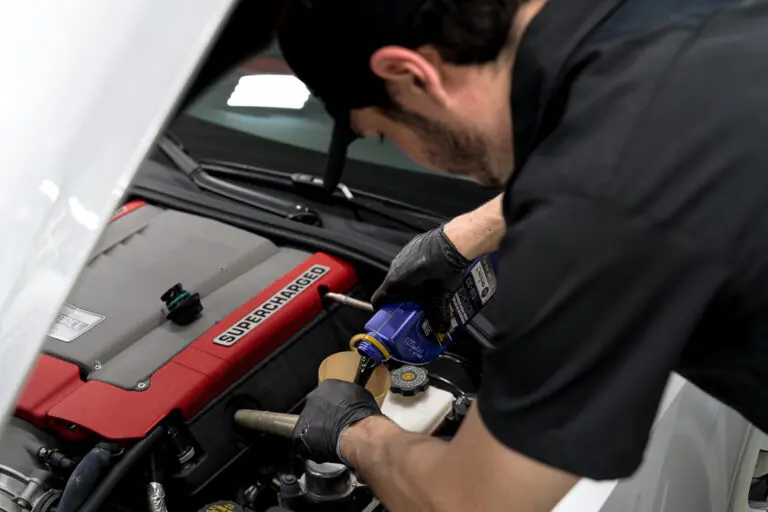
Oil changes are the most frequent maintenance item on any vehicle. We change oil and filter per manufacturer-recommended intervals, which vary by vehicle and oil type, typically between 5,000 and 10,000 miles for modern engines running synthetic oil. We also check and top off other fluids, including coolant, brake fluid, transmission fluid, and power steering fluid, and flag any that are due for a full service rather than just a top-off.

Filter Replacements

Air filters, cabin air filters, and fuel filters all have recommended replacement intervals that most vehicles exceed before anything is done about them. A clogged air filter reduces engine efficiency and airflow. A worn cabin filter affects interior air quality. We check filter condition during maintenance visits and replace what actually needs replacing rather than defaulting to replacing everything on a schedule regardless of condition.

Brake Inspection & Service

Brake pads wear at different rates depending on driving habits and vehicle type. Trucks and SUVs used for towing wear brakes faster than the same vehicle driven solo on the highway. We inspect brake pad thickness, rotor condition, and brake fluid level as part of routine visits. If pads are approaching the end of their usable life, we'll tell you before they're metal-on-metal, which costs significantly more to fix.

Multi-Point Inspection

Before a road trip, after buying a used vehicle, or when something just feels off, a multi-point inspection gives you a clear picture of where the vehicle stands. We check the systems that matter most: battery, belts, hoses, tires, brakes, suspension, and fluids. We report what we find and the priority level, then let you decide what to address and when. No pressure to act on everything at once.

YOU NEED THIS IF:

  • You're due for an oil change or haven't had one in more miles than you'd like to admit
  • You bought a used vehicle and aren't sure of its maintenance history
  • You're planning a long trip and want to confirm the vehicle is in good shape first
  • Your brakes feel different than they used to and you want them checked
  • You want a shop that tells you what the vehicle actually needs, not what pads the bill

COMMON ROUTINE MAINTENANCE QUESTIONS

  • How often should I get an oil change?

    It depends on the vehicle and the oil. Most modern vehicles running full synthetic oil go 7,500 to 10,000 miles between changes. Older vehicles or those running conventional oil are typically on a 3,000 to 5,000-mile schedule. The manufacturer recommendation in the owner's manual is the right starting point. If you're not sure where your vehicle lands, bring it in and we'll check. The old "every 3,000 miles no matter what" rule hasn't applied to most vehicles for years.
  • Do I have to go to the dealer for maintenance to keep my warranty valid?

    No. Under the Magnuson-Moss Warranty Act, manufacturers cannot require you to use a dealership for routine maintenance in order to maintain your warranty. You can have your oil changed, filters replaced, and maintenance performed at any qualified shop. The key is keeping records of the service. We document what we do and can provide that for your records.
  • How do I know if my brakes need attention?

    The most obvious signs are squealing or grinding when braking, a longer stopping distance than usual, or a brake pedal that feels different (spongier or lower) than it used to. We inspect brake pad thickness as part of routine visits and give you a straightforward read on how much life is left. Catching worn brakes early is significantly cheaper than letting them go until the rotors are damaged.
  • Can you handle maintenance on modified or lifted trucks?

    Yes. Modified vehicles are a significant part of what we work on at Lewis Center and Hilliard. A lifted truck still needs oil changes and brake inspections. We're familiar with the specifics of maintaining vehicles that have been modified, including the additional wear considerations that come with lift kits, larger tires, and added towing loads.
  • Should I follow the dealer's maintenance schedule or the manufacturer's?

    Follow the manufacturer's schedule, which is in your owner's manual. Dealer service intervals are sometimes more aggressive than what the manufacturer actually requires, because more frequent visits mean more revenue. The manufacturer's recommendations are based on engineering specs for your specific vehicle and are what matters for warranty compliance. If a dealer tells you something is required sooner than the manual says, ask them to show you where in the owner's manual. We follow manufacturer specs and will tell you honestly where your vehicle stands.

Contact form

form image

Reviews

Top