image

COLLISION REPAIR DONE HONESTLY

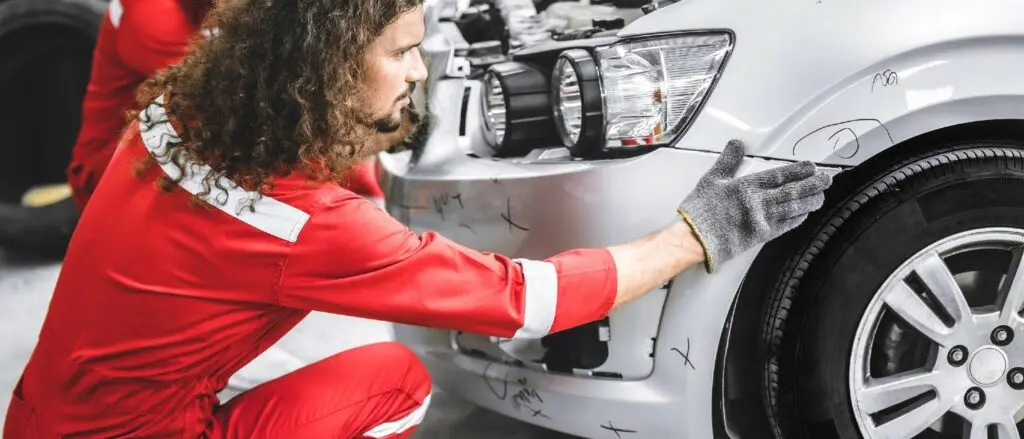
Collision damage isn't always what it looks like from the outside. A fender that looks like a straightforward panel replacement can involve hidden structural damage underneath. A bumper hit at the wrong angle can affect sensors and safety systems that aren't visible during a quick look. We do a thorough assessment before recommending any work, so the repair plan reflects what's actually there, not just what's obvious at first glance.

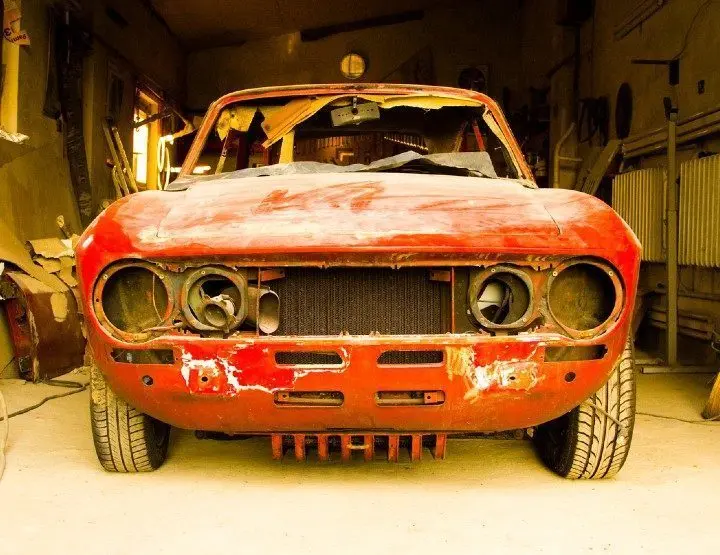
We handle collision repair for cars, trucks, and SUVs at both our Lewis Center and Hilliard locations. That includes structural and framework, body panel repair and replacement, paint matching and refinishing, and safety system inspection after the repair is done. We've been doing this kind of restoration and body repair work for Central Ohio customers since 1999. Before any work begins, we walk you through what we found and what the repair involves.

SCHEDULE WITH US

WHAT COLLISION REPAIR INVOLVES

A complete collision repair covers more than just the visible damage. Here's what goes into bringing a vehicle back to pre-accident condition.

Structural & Frame Repair

Frame and structural damage from a collision affects how the vehicle handles, how it performs in a future impact, and whether body panels fit correctly after the repair. We assess structural damage before quoting any work and use proper frame straightening equipment to restore the vehicle to factory specification. Hidden structural damage is one of the most common things missed in a collision assessment done without getting into the vehicle properly.

Body Panel Repair & Replacement

Panel repair covers dents, creases, and surface damage that doesn't require full replacement, as well as panel replacement when the damage is too extensive to repair correctly. The goal in either case is a result that matches the surrounding panels in fit and finish. We don't patch where replacement is the right call, and we don't replace where repair will do the job cleanly.

Paint Matching & Refinishing

Paint matching on a collision repair requires more than pulling a factory color code. On vehicles that have been on the road for years, the existing finish has often shifted from the original code due to sun exposure and weathering. We blend the repair into the surrounding panels to eliminate visible transitions. Getting the match right takes more time than simply spraying the affected area, and skipping that step shows.

Safety System Inspection

Modern vehicles have sensors, cameras, radar modules, and airbag systems built into body panels and bumpers. A collision can knock these out of calibration or damage them entirely without it being obvious from the outside. After any repair that involves panels where safety systems are mounted, we inspect and test those systems to confirm they're functioning correctly before the vehicle goes back on the road.

YOU NEED OUR COLLISION REPAIR IF:

  • Your vehicle has been in a collision and has visible body or panel damage
  • You suspect structural damage from an impact, even if the outside looks minor
  • Your vehicle has airbag warning lights or sensor errors following an accident
  • You want an honest assessment of the full damage before committing to a repair
  • You need paint and panel work that matches the rest of the vehicle, not just close enough
Talk to Our Experts

COMMON COLLISION REPAIR QUESTIONS

  • Do you work with insurance on collision repairs?

    Yes. We work with customers on insurance-related collision repairs and can document the damage and repair scope in the format insurers require. The job starts the same way it does for any repair: we assess the vehicle and identify the full extent of the damage before anything is submitted. If the insurance estimate doesn't account for everything we find once we're into the job, we communicate that directly and help you work through it. Come in and we'll walk you through how it works for your situation.
  • How do you match paint on a repair?

    We start with the factory paint code for the vehicle, but that's rarely the whole answer. On vehicles that have been driven for several years, the existing finish has usually shifted from the original code due to UV exposure and weathering. We assess the surrounding panels and adjust the mix to match what's actually on the car, then blend the repair into the adjacent panels to avoid a visible line between old and new. Getting this right takes time that some shops don't give it. We do.
  • Will my vehicle be back to pre-accident condition after the repair?

    That's the goal on every job, and for most collision repairs we can get there. Structural damage is corrected to factory spec, panels are repaired or replaced to fit and finish correctly, and paint is matched and blended to eliminate visible transitions. The cases where that's harder to guarantee involve older vehicles where the original finish has aged significantly, or situations where prior repairs were done poorly and we're working around someone else's work. We'll tell you honestly what to expect before we start.
  • How long does collision repair take?

    It depends on the extent of the damage, parts availability, and whether structural work is involved. A straightforward panel repair and paint job can turn around in a few days. A repair that involves frame work, multiple panels, and safety system recalibration takes longer. We give you an estimated timeline at the start and communicate with you if anything changes once we're into the job. Parts availability, particularly on newer or less common vehicles, is the most common variable that affects the timeline.
  • Can I drive my vehicle after a collision while I wait to have it repaired?

    It depends on what was damaged. Cosmetic damage, minor dents, and surface panel damage don't necessarily prevent the vehicle from being driven safely. Structural damage, airbag system faults, compromised crumple zones, or damage to lights and sensors are a different situation. If you're unsure whether it's safe to drive, bring it in for an assessment before putting more miles on it. Driving a vehicle with undetected structural damage or safety system faults after a collision creates risk that's worth taking seriously.

Contact form

form image

Reviews

Top