image

BODY KIT INSTALLATION

A body kit changes the entire visual profile of a vehicle...but only if it fits correctly. The most common problem we see is kits that were purchased online without a fitment check, then installed without the prep work that makes components sit flush against the body. Gaps, misaligned panel lines, and parts that vibrate on the highway are a problem with the installation, not the kit itself. That's why we assess fitment before we commit to any install, and do the prep work that makes the difference between a kit that looks factory and one that looks like an afterthought. We've been doing custom exterior work in Central Ohio for 25+ years, and we'll tell you upfront if a specific kit isn't a clean fit for your vehicle.

We're just as upfront about what a kit can actually deliver. Some body kits are built for function but most built for looks. If aerodynamic performance is the priority, we'll point you toward components that actually deliver it. If the look is the priority, we'll help you find a kit that pairs with your vehicle's lines and can be finished to match your existing paint or a planned vinyl wrap.

SCHEDULE WITH US

AFTERMARKET BODY KIT SERVICES

We supply, prep, and install body kit components for trucks, SUVs, and cars. Trust us for everything from single-piece spoilers to complete front and rear conversion kits.

Complete Kit Installs

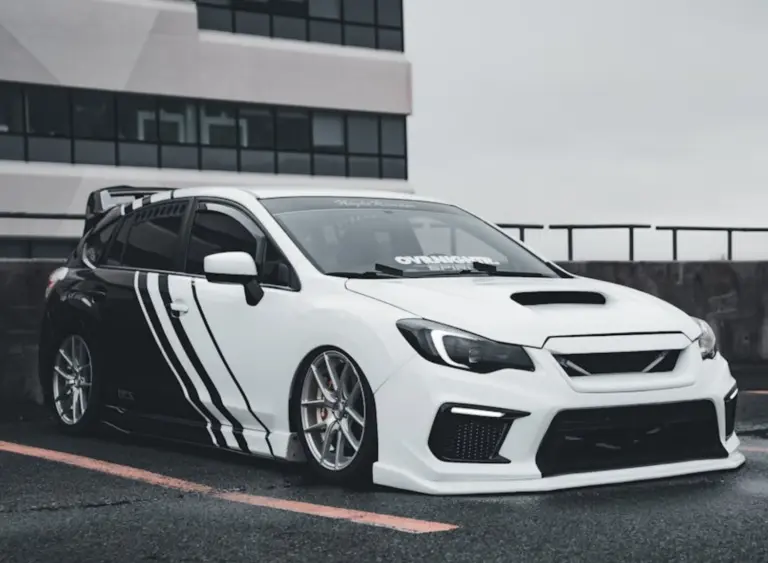
A full automotive body kit typically includes a front bumper or splitter, rear bumper or diffuser, and side skirts as a coordinated set. Wide body kits go further, adding extended fender flares to fill out a wider track. We install the complete package with consistent panel gaps and a finish that reads as intentional, not assembled.

Single Component Upgrades

Not every build needs a full kit. We install individual components (front splitters, rear spoilers, fender flares, side skirts, or bumper replacements) as standalone upgrades. This works well for customers building a look gradually or replacing a single component with something more aggressive.

Fitment & Panel Prep

Most aftermarket body kits require some degree of trimming, modification, or prep work to sit flush against the vehicle's factory body lines. We do that work in-shop before any component goes on permanently. Cutting corners here is what causes visible gaps, vibration, and panels that work loose over time.

Finish & Paint Coordination

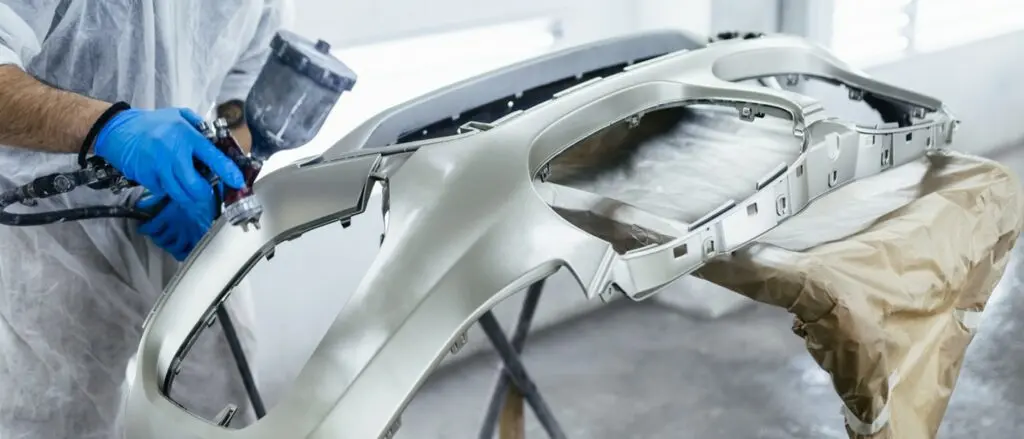
Body kit components are typically supplied in primer or raw material and need to be finished to match the vehicle. We can coordinate paint matching and finishing so new components integrate with your existing color, or advise on pairing the kit with a planned wrap for a full exterior transformation.

YOU NEED THIS IF:

  • You want to completely change the exterior profile of your vehicle
  • You want a wide body kit to accommodate larger wheels or a more aggressive stance
  • Your factory bumper or panels have been damaged and you want an upgrade over stock
  • You're building a themed or custom exterior and need components that work together
  • You've bought a kit online and need a shop that will install it properly
Talk to Our Experts

COMMON BODY KIT QUESTIONS

  • Will a body kit actually fit my vehicle, or will it need modification?

    Fitment varies significantly by kit and vehicle. Some kits are designed for specific year, make, and model combinations and require minimal modification. Others are broader-fit aftermarket parts that need trimming, bracket adjustments, or prep work to sit correctly against the factory body lines. In our experience, most kits require at least some prep work for a clean result. Before committing to a specific kit, bring the vehicle in. We'll tell you whether the kit you've found is a solid fit for your vehicle or whether there are better options with cleaner fitment for your application.
  • Do body kits actually improve aerodynamics?

    Some do, most don't at street speeds. Kits designed specifically for aerodynamic function — front splitters, rear diffusers, and fixed rear wings — can generate meaningful downforce and reduce lift at higher speeds. Most body kits sold for street use are primarily aesthetic. They change how the vehicle looks without producing measurable aerodynamic gains in normal driving conditions. We'll give you a straight answer on what a specific kit can and can't deliver based on its design, rather than repeating manufacturer claims.
  • What materials are body kits made from, and does it matter?

    Yes, the material affects durability, flex, weight, and cost. The most common options are polyurethane (flexible, impact-resistant, holds up well in Ohio winters), ABS plastic (rigid, paintable, more affordable but cracks easier on impact), and fiberglass (lightweight, paintable, but brittle and more prone to cracking). Carbon fiber is available for premium applications where weight reduction is the goal. For daily drivers in Central Ohio, polyurethane is typically the most practical choice. We can walk you through the tradeoffs based on your use case and budget.
  • What body kit brands do you work with?

    We source automotive body kits from a range of manufacturers depending on the vehicle and the build. For car-focused builds, brands like KBD are popular for their fitment consistency and the variety of platform coverage they offer across sports cars and imports. For trucks and SUVs, brand options vary more by make and model. We don't lock customers into a single supplier. If you've already found a specific kit you want, bring the part number and we'll assess whether it's a clean fit for your vehicle before you purchase. If you need help sourcing, we can recommend options based on your application and goals.
  • Are there any Ohio regulations I should know about before installing a body kit?

    Ohio has requirements around minimum bumper height, lighting visibility, and fender coverage that can affect whether a modified vehicle passes inspection. Bumpers must meet Federal Motor Vehicle Safety Standards for height, and any kit that affects lighting visibility or covers required reflectors can create a compliance issue. We're familiar with these requirements and will flag any concerns before installation. If a specific kit creates a compliance problem, we'll tell you before the work begins rather than after.

Contact form

form image

Reviews

Top