image

PROTECT EVERY PART OF YOUR VEHICLE

Most people use "coating" as a catch-all term. It isn't. Each type targets a different part of the vehicle. Clear coat is the transparent layer above the color coat. Powder coat finishes metal components like wheels, brackets, and guards with a heat-cured bond that outlasts liquid paint by years. Undercoating goes underneath, sealing the frame and floor pans against road salt and moisture.

The right choice depends on which part of the vehicle you're trying to protect and what it's up against. As part of our full exterior customization services, we've been applying specialty coatings in Central Ohio for 25+ years, and we'll tell you which one, or which combination, actually fits.

SCHEDULE WITH US

BUILT FOR OHIO CONDITIONS

Powder coating and undercoating protect different parts of the vehicle from different threats. Some customers need one. Others come in for both at the same time, particularly on new trucks, where protecting the undercarriage and finishing exposed metal components in one visit makes sense. Here's how each service works and what it covers.

Powder Coating

Powder coating uses an electrostatic charge to apply a fine powder to metal surfaces, then cures it in an oven at high heat. The result is a finish two to three times thicker than liquid paint, with far better resistance to chipping, corrosion, and road salt. It applies to wheels, brackets, grille guards, exhaust tips, and any metal component that takes regular physical punishment.

Wheel Refinishing

Wheels are one of the most common powder coating applications because they take the worst of it: brake dust, road salt, curb strikes, and constant moisture exposure. We strip the old finish, prep the surface, and recoat in any color or finish. The result holds up significantly longer than factory paint or a rattle-can respray.

Undercoating

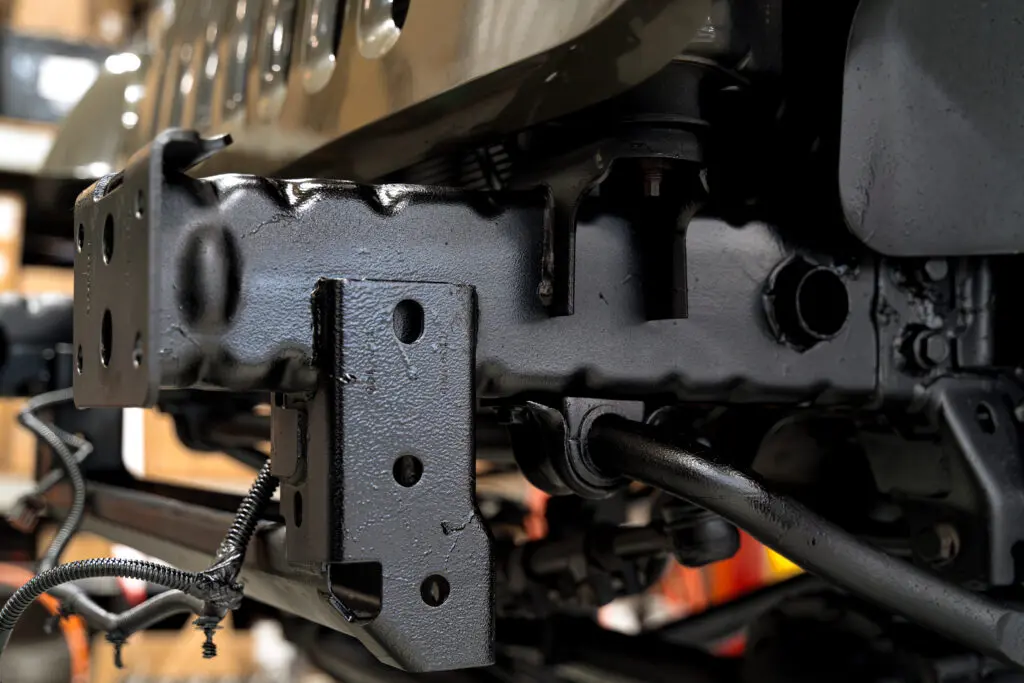
Undercoating is sprayed onto the undercarriage to seal the frame, floor pans, and wheel wells against road salt and moisture. It works best on new or clean metal. Applied before Ohio road salt gets to the undercarriage, it creates a barrier that holds for years. We inspect before applying and tell you honestly if prep work is needed first.

Rust Prevention

Ohio roads are treated with salt and brine all winter, and the undercarriage takes the full exposure. Rust doesn't show itself until it's already structural. Undercoating applied early is one of the most cost-effective preventive steps you can take on a vehicle you plan to keep, far cheaper than addressing rust damage after the fact.

YOU NEED THIS IF:

  • Your vehicle's clear coat is oxidizing, peeling, or fading
  • You want wheels, brackets, or metal accessories coated with something more durable than paint
  • You've bought a new or newer vehicle and want to protect the undercarriage before road salt gets to it
  • You're restoring or customizing a vehicle and need protective finishes on specific components
  • You want a complete exterior protection plan combining coatings with PPF or a vinyl wrap
TALK TO OUR EXPERTS

COMMONLY ASKED COATING QUESTIONS

  • What's the difference between clear coating, powder coating, and undercoating?

    They protect different parts of the vehicle using different processes. Clear coating is a transparent liquid coat applied over painted surfaces to restore or protect the color coat. Powder coating uses an electrostatic and heat-curing process to apply a durable finish to metal components like wheels, brackets, and guards. Undercoating is sprayed onto the undercarriage to seal it against road salt, moisture, and corrosion. None of these are interchangeable. The right choice depends entirely on which part of the vehicle you're protecting and what you're protecting it from.
  • How are specialty coatings different from paint sealants or ceramic coatings?

    Paint sealants and ceramic coatings are maintenance-focused products applied to painted panels to repel dirt, water, and UV damage. They're part of a detailing regimen. The specialty coatings on this page are structural protection applied to specific vehicle surfaces. Clear coat restores the transparent layer on painted panels, powder coat finishes metal components, and undercoating seals the undercarriage. They serve different purposes and are applied in completely different ways.

  • Can I combine multiple coatings at the same visit?

    Yes, depending on the services. Undercoating and powder coating on wheels are commonly done together on a new truck or SUV. Clear coating on specific panels can be paired with other exterior work. If you're planning a combination of services, bring the vehicle in, and we'll walk you through what makes sense to combine and what needs to be done in a specific order.
  • How long do powder coating and undercoating last?

    A professionally applied powder coat finish typically lasts 15 to 20 years on components that aren't subjected to heavy impact, and 5 to 10 years on high-wear surfaces like wheels that take regular road debris and brake dust. Undercoating lasts several years depending on driving conditions and how much road salt exposure the vehicle sees annually. We recommend having the undercarriage inspected every year or two and reapplied in areas where the coating has worn or cracked. Both hold up significantly longer than liquid paint alternatives in Ohio conditions.
  • Is undercoating worth it on an older vehicle?

    It depends on the condition of the undercarriage. If the metal is clean and rust-free, undercoating on an older vehicle makes sense and will extend the protection in the future. If existing rust is present, applying undercoating over it seals the rust in and accelerates the damage rather than stopping it. In that case, rust treatment needs to come first. We inspect every undercarriage before applying and will give you an honest answer about whether undercoating is the right next step or whether there's other work to address first.

Contact form

form image

Reviews

Top