image

CLEAR BRA INSTALLATION DONE RIGHT

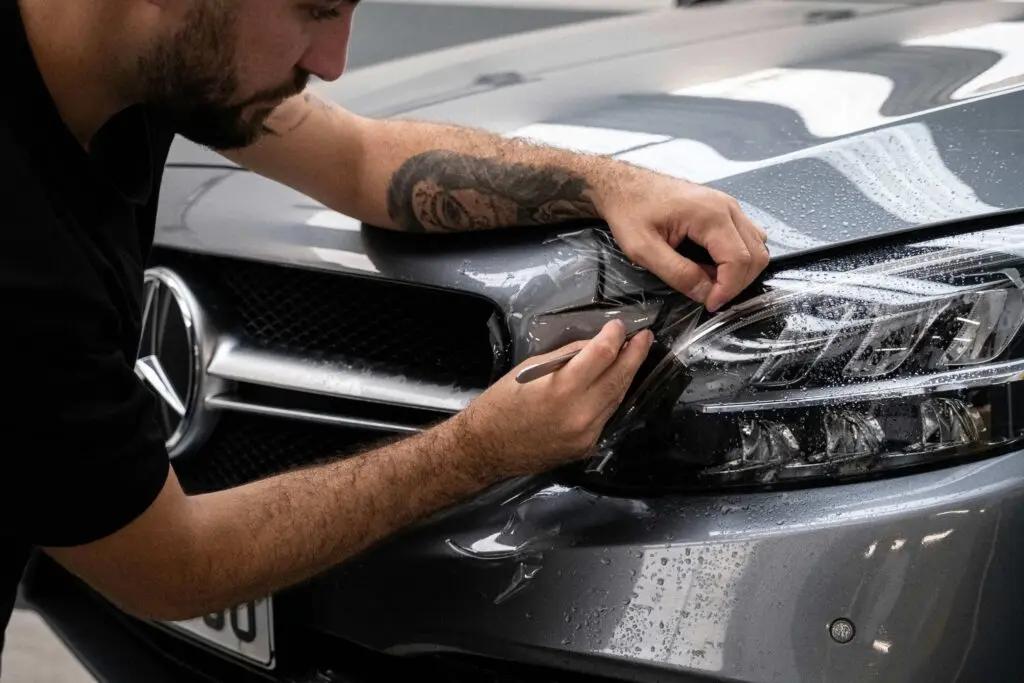
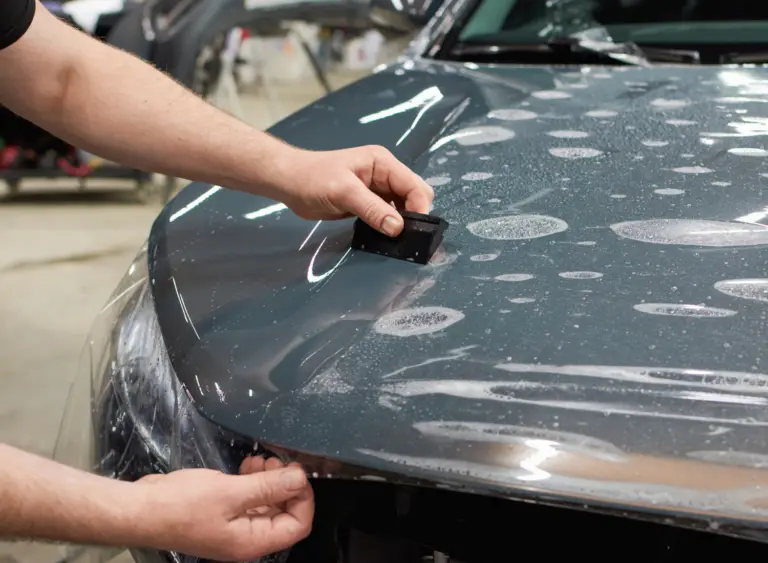
Paint protection film, PPF, or clear bra (different names for the same thing) describes a thermoplastic urethane film applied directly to painted surfaces to absorb rock chips, scratches, and road debris before they reach the paint. Customers often ask if PPF is the same thing as a ceramic coating. It's not. Ceramic coatings and sealants bond chemically to the paint surface and protect against UV damage, chemical contamination, and surface oxidation. PPF, however, is a physical film that takes the impact, so the paint doesn't have to. It's the only product that actually stops a rock chip.

That said, PPF and ceramic coatings are often used together. PPF goes on first, directly to the paint, and a ceramic coating can be applied on top of the film for added hydrophobic protection and easier maintenance. For customers building out a complete exterior upgrade, our team can walk you through how the two layers work together. For everyone else, a partial or full PPF install on its own is a substantial step up in protection for any vehicle that spends time on Ohio highways.

SCHEDULE WITH US

PPF SERVICES WE OFFER

We install paint protection film in partial and full-vehicle configurations, with options for gloss and matte finishes, on cars, trucks, and SUVs across Central Ohio.

Partial Coverage

Partial PPF installs focus on the areas that take the most punishment: the front hood, front bumper, fenders, side mirrors, and door edge guards. For most daily drivers on Ohio highways, this covers the zones where rock chips and debris are most likely to hit. It's a practical middle ground between no protection and a full wrap, and it's the most common configuration we install.

Full Vehicle Coverage

A full-vehicle PPF install covers the entire painted surface of the vehicle. This is the most complete protection available and is common on new vehicles, high-value vehicles, and builds where preserving the factory paint long-term is the priority. Full coverage costs more and takes more time, but the result is a vehicle that can shed years of road exposure without a chip or scratch reaching the paint underneath.

Matte Finish PPF

Standard PPF is optically clear and preserves the vehicle's gloss finish. Matte PPF uses a different topcoat that gives the painted surface a satin or flat appearance. It's popular on vehicles with matte factory paint to protect the finish, and equally common on gloss vehicles where the owner wants to change the look without a permanent matte paint job. The finish can be removed later without any effect on the paint underneath.

Self-Healing Film

Quality PPF films have a self-healing topcoat that fills light surface scratches when exposed to heat, either sunlight or warm water. The film's memory causes the topcoat to reform over minor abrasions, keeping the surface looking clean without polishing. This applies to the surface of the film itself, not to impacts that penetrate through it. We install self-healing film as standard. It's what separates quality PPF from budget alternatives.

YOU NEED PPF IF:

  • Your vehicle is new or recently repainted and you want to keep the paint intact from day one
  • You drive Ohio highways regularly and your hood is already showing rock chip damage
  • You're planning to sell and want to protect resale value by keeping the paint original
  • You have a matte finish and need protection that won't alter or damage the surface
  • You want a complete exterior protection plan combining PPF with a ceramic coating
Talk to Our Experts

COMMON CLEAR BRA QUESTIONS

  • What's the difference between PPF and a ceramic coating or paint sealant?

    PPF, also called a clear bra, is a physical urethane film applied to the paint surface. Its primary job is impact protection. It stops rock chips, scratches, and road debris from reaching the paint. A ceramic coating is a liquid product that bonds chemically to the paint and cures into a hard, transparent layer. It protects against UV damage, chemical contamination, and surface oxidation, but it cannot stop a rock chip. Paint sealants work similarly to coatings but are thinner and don't last as long. The right answer for most vehicles is both: PPF on high-impact areas for physical protection, and a ceramic coating on top of or alongside the film for surface protection and hydrophobic properties.
  • How long does PPF or a clear bra last?

    Quality PPF typically lasts 7 to 10 years with proper care. The film is UV-stabilized, so it won't yellow or haze under normal sun exposure over that period. Factors that shorten the lifespan include improper installation, harsh chemical cleaners, automatic car washes with abrasive brushes, and damage that penetrates through the film. When the film reaches the end of its lifespan, it can be removed and replaced without affecting the paint underneath, provided the original paint was in good condition at the time of installation.
  • Can PPF be removed without damaging the paint?

    Yes, with proper technique. Professional removal uses heat to soften the adhesive, allowing the film to peel away cleanly without pulling the paint. Improper removal — cold pulling, using sharp tools, or leaving the film on past the point where the adhesive has degraded — can damage the clear coat or lift paint. We strongly recommend against DIY removal. If you need PPF removed, bring it in and we'll assess the film condition and remove it safely.
  • What does "self-healing" mean in PPF, and does it actually work?

    The topcoat of quality PPF has a polymer memory that allows it to reform after light surface scratches. When the film is exposed to heat, the topcoat flows back over minor abrasions, and the scratch disappears. This works consistently for light surface marks on the film itself. It does not repair deep scratches that penetrate through the topcoat, and it doesn't affect the film's ability to protect against rock chips. It's a genuine feature of quality films, not a marketing claim, but it's worth understanding what it does and doesn't cover.

  • Should I get partial or full vehicle PPF coverage?

    It depends on your priorities and budget. Partial coverage on the high-impact zones protects the areas most likely to take damage. For most daily drivers, this covers the practical risk. Full vehicle coverage makes more sense for new or high-value vehicles where preserving the entire paint surface long-term is the goal, or for vehicles going into extended storage. We'll give you an honest recommendation based on your vehicle and how you use it, rather than defaulting to the more expensive option.

Contact form

form image

Reviews

Top