image

TIRE SERVICE THAT GETS IT RIGHT THE FIRST TIME

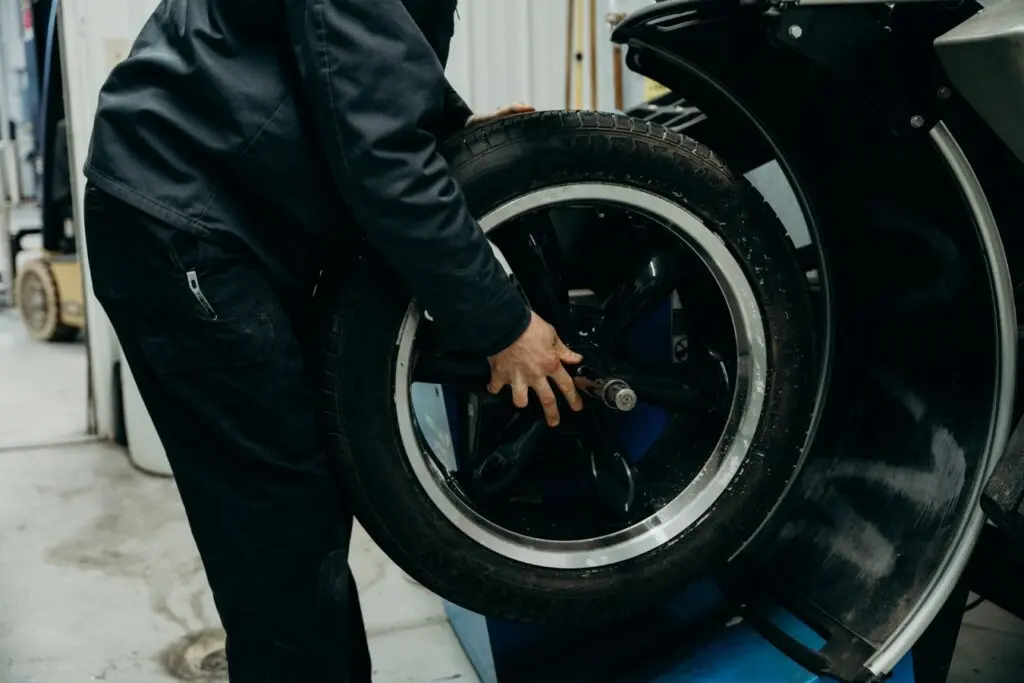
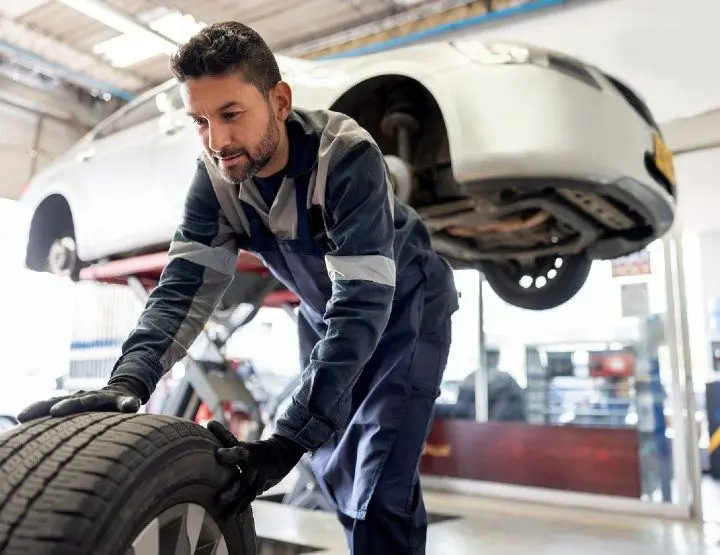
Tire mounting and balancing is one of the most common services we perform at Pickups Plus Cars as part of our wheel and tire upgrade offering, and the details matter. A tire that isn't seated correctly or a wheel assembly that's even slightly out of balance will show up as vibration, uneven wear, or a vehicle that doesn't track straight. We take the time to do it right the first time, whether you're installing a new set of tires or remounting existing ones after a wheel swap.

We also handle TPMS service at both our Lewis Center and Hilliard locations. When tires are rotated, replaced, or remounted on different wheels, TPMS sensors often need to be relearned or replaced to keep the system reading accurately. A sensor that isn't calibrated correctly will trigger a dashboard warning light even when the tire pressure is fine. We address that as part of the service, so you leave with everything working the way it should.

SCHEDULE WITH US

THE FULL TIRE MOUNTING & BALANCING PROCESS

We mount tires carefully to ensure a proper bead seal and avoid rim damage, balance every assembly with dynamic equipment, and address TPMS sensors so the system reads accurately when you leave. Before anything goes on the vehicle, we inspect each tire for damage, irregular wear, and tread depth. If something looks wrong, we'll tell you.

Tire Mounting

We seat tires to the correct bead position on the rim, verify the seal, and confirm the assembly is ready for balancing. Proper mounting prevents slow leaks, uneven wear, and the bead failures that happen when a tire isn't fully seated.

Dynamic Wheel Balancing

Dynamic balancing measures weight distribution across both the face and width of the wheel assembly. We identify imbalances and correct them with precision weights. Balancing is included with every new tire installation we perform.

Tire Inspection

Before mounting, we inspect each tire for sidewall damage, irregular wear patterns, cracking, and tread depth. If a tire has an issue that will cause problems after mounting, we flag it before it goes on the vehicle, not after.

TPMS Sensor Service

We replace failed or damaged TPMS sensors and install new sensors when tires are moved to different wheels. Sensor replacement includes proper seating and torque on the valve stem to prevent leaks.

TPMS Calibration

After any tire rotation, replacement, or wheel swap, TPMS sensors typically need to be relearned to the vehicle's system. We handle the relearn procedure so sensors report correctly to the dashboard and warning lights clear.

Valve Stem Service

Rubber valve stems crack and degrade over time, especially in Ohio winters. We inspect valve stems when tires are mounted and replace them when they show wear. A failed valve stem is one of the most common causes of slow tire pressure loss.

Torque to Spec

Lug nuts are torqued to manufacturer specification after every tire installation. Over- or under-torqued lug nuts can cause rotor warping, wheel wobble, or a wheel that comes loose over time. We don't skip this step.

Seasonal Changeovers

If you run separate summer and winter tire sets, we store, swap, and remount both sets as the seasons change. We inspect both sets during each changeover and flag anything that needs attention before it becomes a problem mid-season.

YOU NEED THIS IF:

  • You're installing new tires and want to make sure mounting and balancing are done correctly
  • You're getting a vibration at highway speeds that wasn't there before
  • Your TPMS warning light came on after a tire rotation or replacement
  • You've had tires balanced elsewhere and the vibration came back
  • You're swapping to a winter set and want both sets inspected and ready
Talk to Our Experts

COMMON TIRE MOUNTING & BALANCING QUESTIONS

  • How often should I have my tires balanced?

    Balancing is recommended with every new tire installation. Beyond that, it's worth doing any time you notice vibration through the steering wheel or seat, particularly at highway speeds. Driving on rough roads or hitting significant potholes can knock a wheel out of balance over time, so if your ride has gotten noticeably rougher, it's worth having the tires checked. We can assess balance as part of any tire service visit.
  • What are the signs that my tires need to be rebalanced?

    The most common signs are vibration felt through the steering wheel or the seat, a shimmy at certain speeds that smooths out at others, and uneven or cupped tire wear. These symptoms can also point to alignment or suspension issues, so a proper inspection helps identify the actual cause. If balancing fixes it, the improvement is usually immediate and obvious once you drive on it.
  • Can tire balancing fix steering wheel vibrations?

    Often, yes. Vibration through the steering wheel at highway speeds is one of the most common symptoms of an out-of-balance front tire. Balancing will fix it if imbalance is the cause. If the vibration persists after balancing, the next things to check are wheel alignment and front suspension components. We'll let you know what we find and what the likely cause is before recommending further work.
  • Is tire balancing included when I purchase new tires?

    At Pickups Plus Cars, balancing is part of our tire installation service. If you're buying tires elsewhere and bringing them in for mounting, or if you're reinstalling a set you already own, confirm what's included when you schedule. Either way, we'll make sure the wheels are balanced before the vehicle leaves. A new tire mounted without balancing will show problems quickly, so we don't skip it.

Contact form

form image

Reviews

Top