image

ALIGNMENTS FOR STOCK, LIFTED & LOWERED VEHICLES

Alignment isn't a one-size-fits-all service. A stock sedan and a truck that's been lifted 4 inches have completely different spec targets. Getting the angles right on a modified suspension requires understanding how the lift changed the geometry, not just plugging in factory numbers that no longer apply. An alignment done wrong after a lift accelerates tire wear and can make the truck handle worse than it did before the work was done.

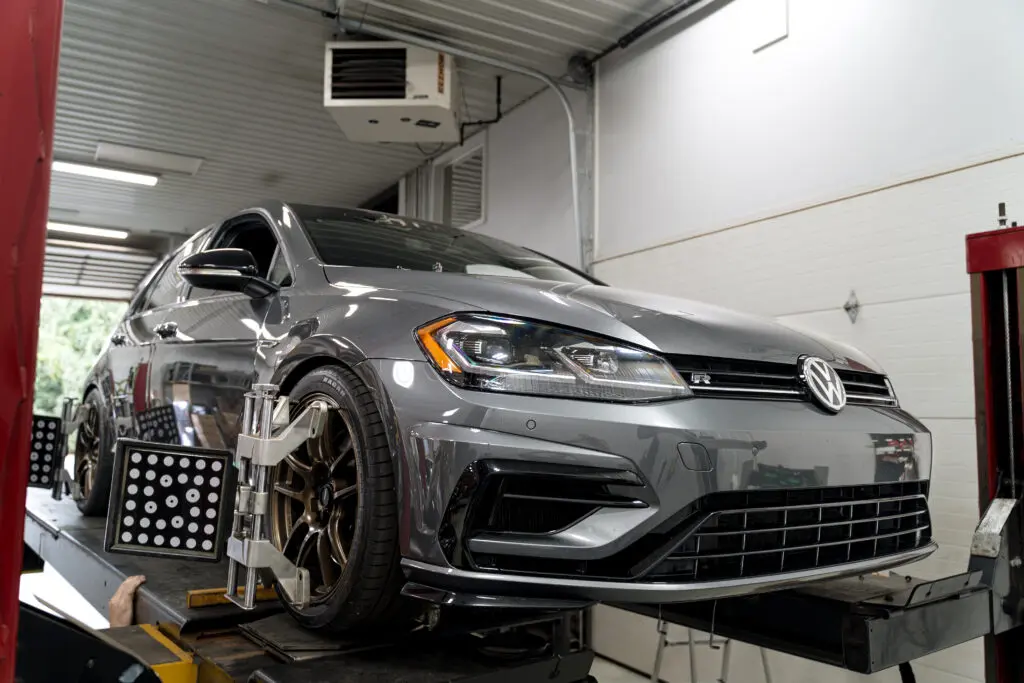
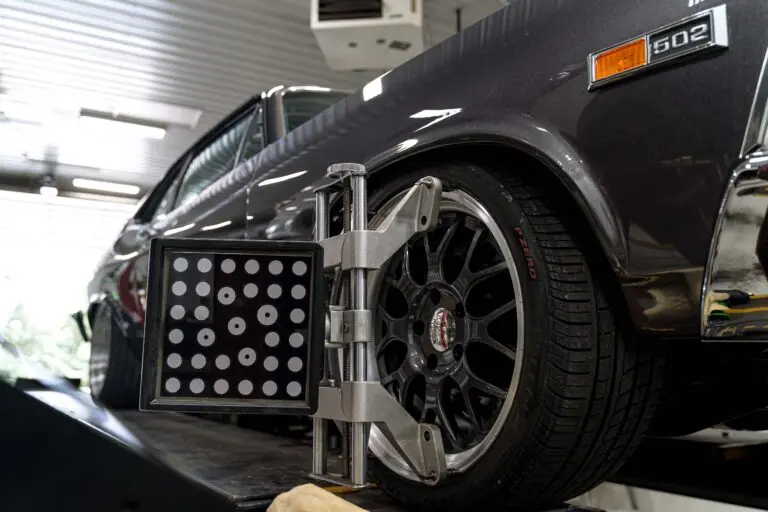
We perform four-wheel alignments at both our Lewis Center and Hilliard locations using computerized alignment equipment. We handle stock vehicle alignments, post-lift and post-lower alignments, and alignments on modified suspensions where the spec targets have changed from factory. As part of our suspension and steering services, alignment is one of the most common follow-up steps after any suspension modification. We've been doing this work for Central Ohio drivers since 1999.

SCHEDULE WITH US

WHAT WE CHECK AND ADJUST IN EVERY ALIGNMENT

A wheel alignment measures and corrects three key angles: camber, caster, and toe. Each affects how the tire contacts the road. We check and adjust all three on every vehicle, and we account for any suspension modifications before setting targets.

Standard Four-Wheel Alignment

A four-wheel alignment sets all four wheels to the correct camber, caster, and toe angles for your specific vehicle. We measure the current state first, then adjust to spec. This is the baseline service for any vehicle that's pulling to one side, showing uneven tire wear, or just due for a check. Most manufacturers recommend alignment checks every 12,000 to 15,000 miles, or any time new tires are installed.

Post-Lift Alignments

Every suspension lift changes the geometry of the front and rear axles. A leveling kit affects caster. A full suspension lift changes both caster and camber. After any lift, the alignment must be set to the new ride height. Factory specs don't apply anymore. We align lifted trucks and SUVs regularly and carry the alignment specs for the lift kits and brands we install.

Post-Lower & Performance Alignments

Lowering a vehicle shifts the alignment geometry, particularly camber and toe. Coilover setups often allow for adjustable alignment settings that can be dialed toward a more performance-oriented spec. After any lowering work, alignment is a required step — skipping it means the tires are running at angles that cause wear and compromise handling on the road.

Alignment Diagnostics

If you're not sure whether you need an alignment, we can diagnose it. Common indicators are the vehicle pulling to one side, the steering wheel sitting off-center when driving straight, or uneven wear on the front tires. We measure the current angles and show you where things stand before any adjustment is made. If you're close to spec, we'll tell you.

YOU NEED A WHEEL ALIGNMENT IF:

  • Your vehicle pulls to one side or the steering wheel sits off-center when driving straight
  • You've just had a lift, leveling kit, or lowering suspension installed
  • Your tires are wearing unevenly across the tread face
  • You've hit a significant pothole or curb and want to confirm the alignment is still in spec
  • You're putting on new tires and want to protect your investment from the start
Talk to Our Experts

COMMON ALIGNMENT QUESTIONS

  • How often should I get an alignment?

    Most manufacturers recommend checking alignment every 12,000 to 15,000 miles or once a year, whichever comes first. You should also get one any time new tires are installed, after any suspension work (lift, lower, or otherwise), or if the vehicle starts pulling to one side or showing uneven tire wear. Ohio roads, particularly in winter, are hard on alignment. Hitting one pothole at the wrong angle can knock things out of spec.
  • What's the difference between a two-wheel and four-wheel alignment?

    A two-wheel alignment adjusts only the front axle. A four-wheel alignment sets both axles. For most vehicles — particularly trucks, SUVs, and anything with independent rear suspension — a four-wheel alignment is the correct service. Two-wheel alignments are typically only appropriate for vehicles with a solid rear axle and no rear adjustment capability. When in doubt, four-wheel is the more complete service.
  • Do I need an alignment after a lift kit install?

    Yes, always. A lift changes the caster angle on the front suspension, and depending on the lift height, it can also affect camber. Factory alignment specs are set for stock ride height. After a lift, those numbers are no longer the right targets. Skipping the post-lift alignment is one of the most common reasons lifted trucks go through front tires faster than they should.
  • My truck is lifted — can you align it to stock specs?

    No, and we wouldn't recommend trying to. When a truck is lifted, the suspension geometry shifts. Setting it to factory stock specs at a different ride height puts the geometry into a range it wasn't designed for at that height. We align to specs appropriate for the lift height and kit installed, which produces correct handling and even tire wear for the actual setup on the truck.
  • Can driving on a bad alignment damage other parts of my vehicle?

    Yes. Misalignment puts uneven stress on tires, which is the most visible symptom, but it also accelerates wear on suspension components. When the wheels are pulling against each other instead of working in the same direction, it loads up ball joints, tie rod ends, and wheel bearings faster than normal. On a lifted truck, the geometry changes from the lift compound, which is one reason post-lift alignment isn't optional. Catching alignment issues early is almost always cheaper than replacing the components that wear out because of it.

Contact form

form image

Reviews

Top