image

PROFESSIONAL WINDOW TINTING SERVICES

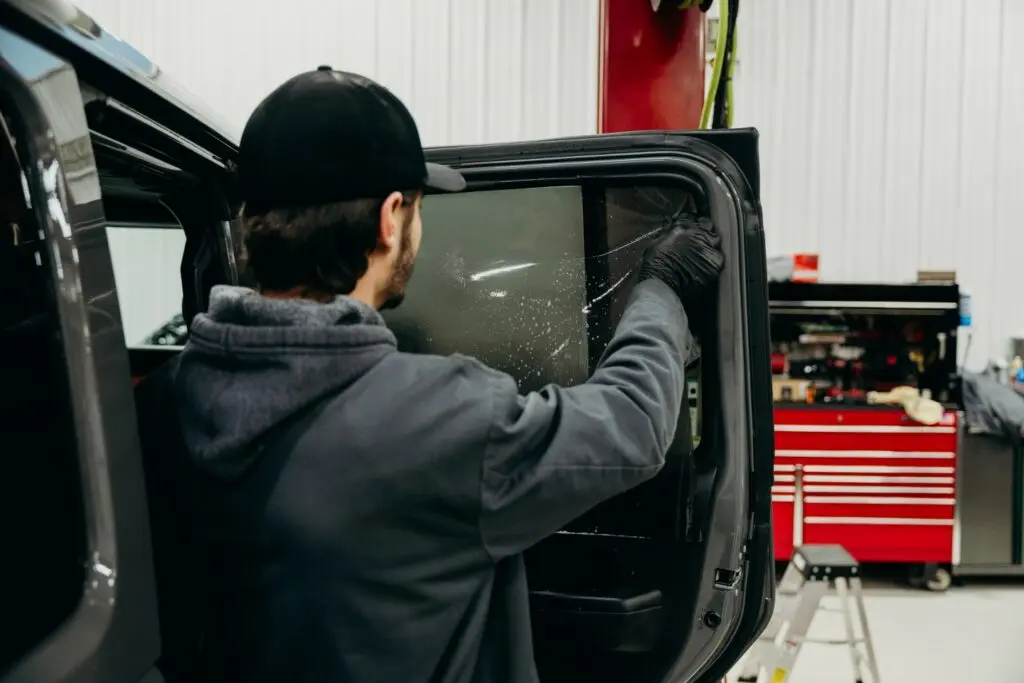
Window tinting is one of the most practical upgrades you can make to a vehicle. A quality tint blocks a significant portion of solar heat before it builds up inside the cabin, reduces UV exposure that fades your interior over time, and adds privacy without affecting outward visibility when the shade is chosen correctly. We stock multiple film types at both locations, so you can see samples in person before committing to a shade or product.

At Pickups Plus Cars, window tinting is part of our window services and broader exterior customization work at both our Hilliard and Lewis Center locations. We've been doing this for 25+ years and know which films hold up, what shades work for different vehicles and uses, and exactly where Ohio's tint laws draw the line. All work is quote-based because vehicle size and window count affect the final price.

SCHEDULE WITH US

OUR WINDOW TINTING PROCESS

We apply professional-grade tint film to side windows, rear windows, and windshields in shades that balance privacy, heat reduction, and Ohio legal compliance.

Side Window Tinting

Side windows are the most commonly tinted glass on a vehicle. They're where the most direct sun exposure hits passengers, and where privacy matters most. We tint front and rear side windows in a range of shades, from a subtle tint that barely changes the look to darker options that provide real heat reduction and privacy. Ohio has specific VLT limits for front side windows, and we stay within them on every job.

Rear Window Tinting

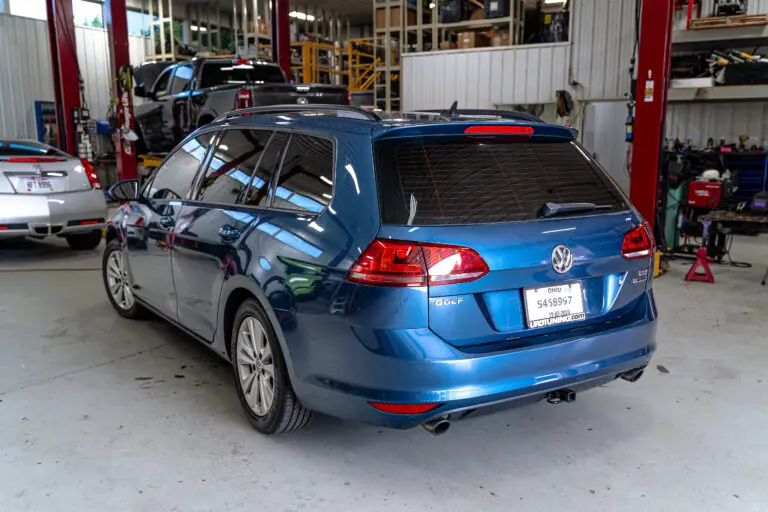
The rear window typically allows more flexibility in shade darkness than front side windows under Ohio law. It's also one of the highest-impact windows for heat management in trucks and SUVs, particularly when there's no rear air conditioning. We tint rear glass with the same professional film and application process as the rest of the vehicle for a consistent, finished look.

Windshield Tinting

Windshield tinting in Ohio is restricted to a strip across the top of the windshield above the AS-1 line. This sun strip reduces glare from low-angle sun, particularly during Ohio's spring and fall months when the sun sits lower in the sky. It won't darken your full windshield, but it makes a real difference for morning and evening driving.

Film Type Selection

Not all tint film is the same. Dyed films are the most affordable but fade over time. Carbon and ceramic films hold their color, reject significantly more heat, and don't interfere with GPS, cell service, or radar detectors. We walk you through the tradeoffs honestly so you're choosing based on what matters to you, not just the lowest price option.

YOU NEED WINDOW TINT IF:

  • Your cabin gets uncomfortably hot in summer and you want to reduce heat buildup
  • You want to protect your interior from UV fading without changing how the vehicle looks dramatically
  • You want more privacy without compromising your outward visibility
  • You're building out a truck or SUV and want tint to be part of the finished look
  • Your existing tint is bubbling, fading, or peeling and needs to be replaced

COMMON WINDOW TINT QUESTIONS

  • What are Ohio's window tinting laws?

    Ohio requires front side windows to allow at least 50% of visible light through (50% VLT). Rear side windows and the rear window on sedans must also allow 50% VLT. However, SUVs and vans have more flexibility on rear side and rear windows, allowing any darkness level. A sun strip on the windshield is permitted above the AS-1 line. We know these rules and apply them on every job, so you're not left guessing whether your tint is street legal.
  • How long does window tinting take?

    A full vehicle tint typically takes 2-4 hours depending on the number of windows and film type. After installation, you need to keep your windows rolled up for 3-5 days while the film cures to the glass. Rolling them down before the film fully adheres is the most common way tint gets damaged right after installation. We give you specific instructions at pickup.
  • How do I care for tinted windows?

    For the first week, avoid rolling the windows down and don't wash the interior of the glass. Once cured, use only ammonia-free glass cleaner on tinted windows. Ammonia breaks down the film over time and will cause it to bubble and discolor. This applies regardless of the film type or brand.
  • Can you remove old or bubbling tint and replace it?

    Yes. Old tint removal is part of what we do before applying new film. Bubbling and discoloration are signs that the film has reached the end of its lifespan or was applied with a low-quality product. We remove the old film completely, clean the glass, and apply new film correctly. Applying new tint over existing film doesn't work and produces poor results.
  • What's the difference between dyed, carbon, and ceramic tint film?

    Dyed film is the most affordable option but fades over time and offers the least heat rejection. Carbon film holds its color longer and rejects more heat than dyed film without interfering with electronics. Ceramic film is the top tier: it rejects the most heat, doesn't fade, and has no effect on GPS, cell signals, or radar detectors. The right choice depends on your budget and priorities. We show you samples and walk you through the tradeoffs at both of our locations before any film goes on.

Contact form

form image

Reviews

Top