
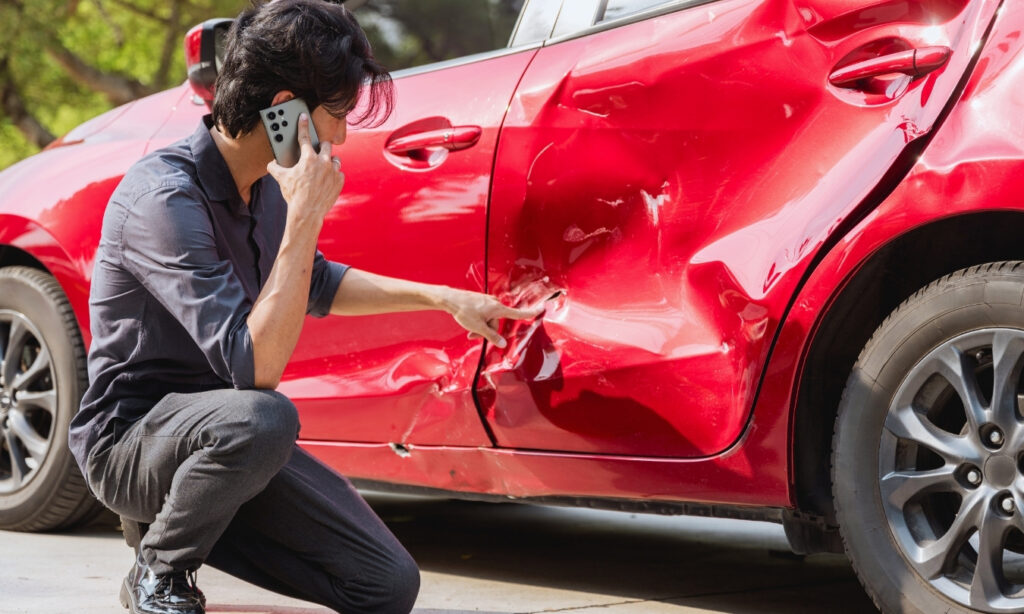
Collision Repair: What to Expect From Drop-Off to Pickup
The hardest part of collision repair is usually not the damage. It is the not knowing. You hand over your vehicle after an accident, and suddenly you are wondering how long it will take, whether the paint will match, who will handle the insurance company, and whether it will ever feel right again. The repair itself is routine for a shop that does it daily. The uncertainty is what wears on people, so here is exactly what the process looks like.
This walks through what collision repair actually covers, the step-by-step of what happens to your vehicle, how insurance fits in, and how long it realistically takes. If you are already dealing with damage and want eyes on it, our collision repair team can assess it and walk you through the findings before any work starts. We have been doing this for Central Ohio drivers since 1999, so none of what follows is theory.
What Collision Repair Actually Covers
Collision repair is a lot more than smoothing out a dent and spraying some paint. A proper auto body collision repair touches four distinct areas, and which ones your vehicle needs depends entirely on how it was hit.
Structural and frame work. When an impact is hard enough, it can push the frame or unibody out of alignment, even when the visible damage looks minor. We use proper frame straightening equipment to bring the vehicle back to factory specification, because a frame that is even slightly off throws off how the vehicle tracks, wears tires, and crumples in a future crash.
Body panel repair and replacement. Dents, creases, and surface damage get repaired when the panel can be saved, and the panel gets replaced when it cannot. Part of doing this right is knowing which call is the honest one, rather than filling a panel that really should be swapped.
Paint matching and refinishing. This is the part people judge the hardest, and fairly so. A repair that does not match sticks out worse than the original damage did.
Safety system inspection. Modern vehicles carry sensors, cameras, radar modules, and airbag systems that a collision can knock out of alignment or disable. After any repair that involves those systems, they have to be tested and recalibrated so they actually work when you need them.
What Happens to Your Vehicle, Step by Step
Here is the part most people really want: what actually happens once you drop it off.
It starts with a full assessment. Before anyone quotes a dollar or turns a wrench, we look the vehicle over for structural damage, hidden damage, and any affected safety systems. A fender bender can hide a bent frame rail or a cracked radar bracket, and the only way to know is to look properly. We walk you through what we find before work begins, so there are no surprises later.
From there, the repair follows a logical order. Structural and frame work comes first, because every panel and alignment downstream depends on the frame being true. Panels are repaired or replaced next. Then comes refinishing, where the paint gets matched and blended. Finally, any safety systems that were disturbed get tested and recalibrated, and the whole vehicle gets a quality check before it goes back to you.
The paint step deserves a closer look, because matching factory color is not as simple as pulling the code. We start with your vehicle’s factory paint code, then adjust the mix to match the finish as it actually exists today, since paint ages and fades over years in the sun. We also blend the new paint into the adjacent panels rather than stopping hard at a seam, which is what keeps the repair from being visible in certain light. A good blend is the difference between a repair you forget about and one you notice every time you walk up to the car.
How Insurance Fits Into the Process
Most collision work runs through an insurance claim, and this is where a lot of the stress lives. A few things worth knowing.
First, the repair shop is your choice, not the insurance company’s. They may steer you toward a preferred shop, but you are allowed to take your vehicle wherever you trust it. Second, we document the damage and repair scope in the format insurers require, which keeps the claim moving instead of bouncing back for paperwork. Third, and this is the one that protects you, if we open the vehicle up and find damage the insurance estimate missed, we communicate that directly rather than quietly working around it. Hidden damage is common in collisions, and an estimate written from a walk-around photo often does not catch it.
How Long Collision Repair Takes
The honest answer is that it depends on the damage, and anyone who promises a firm date before seeing the car is guessing. A straightforward panel and paint job can be done in a few days. Frame work and safety system recalibration add real time, because those steps cannot be rushed without compromising the repair.
The single biggest variable, in our experience, is parts availability. A common bumper for a popular truck might be on the shelf, while a specific panel or module for a less common vehicle can take time to source. We would rather set a realistic timeline up front than hand you an optimistic one we cannot hit.
Common Questions About Collision Repair
Can I choose my own collision repair shop, or does insurance decide?
You choose. An insurer can recommend a shop, and sometimes they make it sound like a requirement, but the decision is yours. Pick the shop you trust to do the repair correctly, and they will work with your insurance on the claim. Steering you to a specific shop is something you are allowed to decline.
Will the new paint actually match the rest of my car?
That is the goal, and it is achievable, but it takes more than reading the paint code off the door jamb. Because paint fades and shifts as it ages, matching means adjusting the mix to your vehicle’s current finish and blending into neighboring panels so there is no hard line. Done right, you should not be able to pick out the repaired area. This is exactly why the refinishing step is not something to rush.
Does my car need a safety system recalibration after a collision?
Often, yes, if the crash involved any of the sensors, cameras, radar, or airbag components that modern vehicles rely on. These systems can be knocked out of alignment even when they look fine, and a camera that is aimed slightly wrong can misread the road. We test and recalibrate affected systems as part of the repair, because getting the body straight is only half the job if the safety tech is not working.
Bring Us the Damage and We’ll Walk You Through It
If your vehicle took a hit, the best first step is simply getting it assessed so you know what you are actually dealing with. Stop by our Lewis Center or Hilliard location and we will look it over, check for the hidden and structural damage that photos miss, and walk you through exactly what the repair involves before anything starts. Every job is quote-based, because a real number comes from seeing the damage in person, not from a guess over the phone. Whether it is a bumper and a panel or a full frame and refinish, we will give you a straight answer.

STAY CONNECTED
Follow us online to keep up on future updates, discounts, new products, and new projects.


