
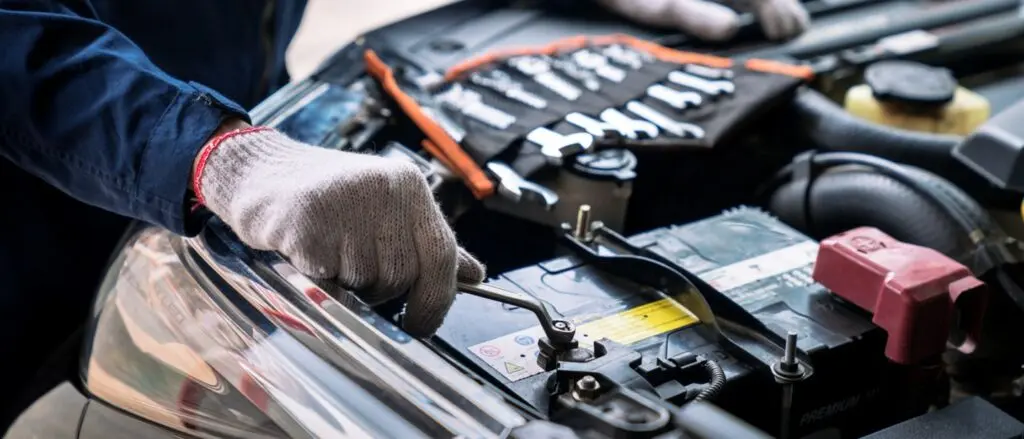
January Battery Trouble? Why Cold Weather Kills Batteries (And How To Prevent It)
January is often the month when drivers discover their vehicle battery is weaker than expected. Cold weather places significant strain on automotive electrical systems, and batteries are usually the first component to fail. While a battery may perform well during warmer months, winter temperatures can quickly expose underlying weaknesses, leaving drivers with slow starts or no start at all.
How Cold Weather Impacts Battery Performance
Cold temperatures reduce a battery’s ability to generate power. Chemical reactions inside the battery slow down as temperatures drop, limiting available energy. A battery that operates efficiently at warmer temperatures can lose a substantial portion of its capacity once conditions reach freezing. At the same time, engines require more power to start in cold weather, placing additional strain on an already weakened battery.
Increased Electrical Demand in Winter
Winter driving increases the demand placed on a vehicle’s electrical system. Heaters, defrosters, headlights, heated seats, and windshield wipers all draw power from the battery. When combined with reduced battery output, these extra demands create the perfect conditions for failure. Batteries that are already aging or underperforming are especially vulnerable during January cold snaps.
Aging Batteries and Hidden Issues
Many winter battery failures are not sudden but instead result from gradual deterioration. Most vehicle batteries last between three and five years, and as they age, their ability to hold a charge declines. Corroded terminals, loose cables, or a weakened charging system can further increase the likelihood of failure. Cold weather simply accelerates problems that already exist.
Preventing Winter Battery Failure
Preventive care plays a major role in avoiding January breakdowns. Professional inspections help identify early signs of battery wear before they turn into larger issues. Testing voltage levels, cold-cranking amps, and overall battery health allows technicians to assess whether the battery can withstand winter conditions. This type of attention is a critical part of routine vehicle maintenance and can save drivers from unexpected trouble.
Simple Habits That Protect Your Battery
Daily habits also affect battery longevity during the winter months. Keeping battery terminals clean and free of corrosion helps maintain proper electrical flow. Limiting short trips can prevent gradual power loss, as brief drives may not allow the alternator enough time to fully recharge the battery. Parking in a garage or sheltered area can also make a difference, as even slight temperature increases improve battery performance.
When You Need Professional Battery Care
If a battery begins showing signs of weakness, such as slow starts or dimming lights, professional battery service can determine whether repair, reconditioning, or replacement is the best option. Diagnostic testing removes guesswork and ensures the correct solution is applied. Addressing minor issues early can often extend battery life and restore dependable performance.
Trusted Help for Cold-Weather Battery Issues
Drivers who experience repeated winter battery problems benefit from working with experienced automotive professionals. Visiting the Hilliard location of Pickups Plus Cars provides access to expert diagnostics, quality components, and professional installation tailored to cold-weather demands. With proper care and early intervention, drivers can reduce the risk of battery failure during the harshest winter months.
January battery trouble is common, but it is rarely unavoidable. Understanding how cold weather affects battery performance and taking proactive steps can make winter driving more reliable. Through inspections, smart driving habits, and professional support, drivers can keep their vehicles starting strong, even on the coldest mornings.

STAY CONNECTED
Follow us online to keep up on future updates, discounts, new products, and new projects.


