
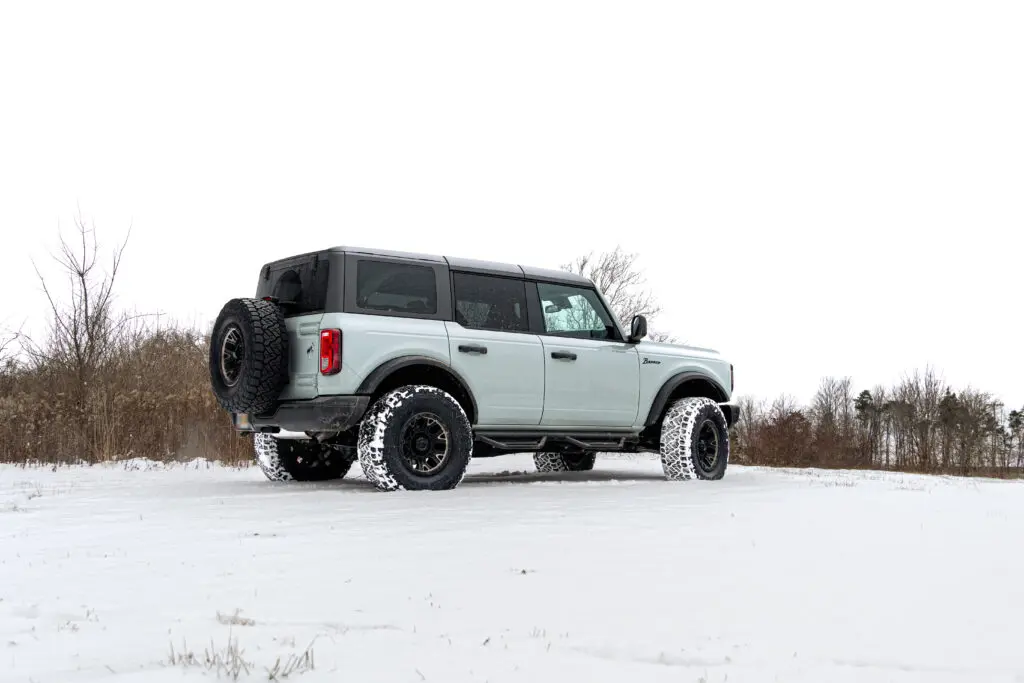
Snow Hauling 101: How to Prep Your Truck for Winter Hauling and Plowing
A truck that spends winter hauling salt, towing a trailer, or pushing snow is not just something you drive to work. It is a work truck, and cold weather has a way of finding every system you did not prep. The plow up front, the load in back, the ice under the tires, and the short days all pile on at the same time, and they punish anything that was already marginal.
That is the whole reason to prep before the first storm instead of during it. If towing or hauling is part of your winter, a dialed-in towing setup is the foundation, and if you are running a plow, the list gets longer from there. Here is how we walk a winter work truck through the shop, in the order that actually matters.
Why Winter Loads Up Every System at Once
Cold weather already stiffens rubber and thickens the fluids in your shocks and steering before you add any weight. Now hang a plow off the front and drop a few hundred pounds of salt or ballast in the bed, and you are operating near the truck’s weight limits at the exact moment traction is at its worst. On top of that, a loaded truck needs a longer distance to stop, and snow and ice stretch that distance further. Prep is really about making sure the truck can carry the load, put power down, and stop, all in conditions designed to work against it.
Dial In the Towing and Hitch Setup
If your winter involves pulling a trailer or hauling equipment, the hitch is where safe winter towing starts. We install Class I through Class V receiver hitches, fifth wheel and gooseneck setups, brake controllers, and weight distribution systems at both shops, with products from CURT, Reese, B&W, and Draw-Tite. The right choice depends on your truck’s tow rating and what you are actually pulling, so we look at both before recommending anything.
Two pieces matter even more in winter. A brake controller syncs your trailer’s brakes with the truck’s, which shortens stopping distance and keeps the trailer from shoving you forward on a slick downhill. A weight distribution setup spreads tongue weight across all four wheels so the front end stays planted for steering and braking. We also check trailer wiring and lighting, because winter means fog, blowing snow, and darkness by late afternoon, and you want to be seen.
What It Takes to Set Up a Snow Plow Truck
Running a snow plow truck is a bigger ask than most people expect, because a plow hangs several hundred pounds off the very front of the vehicle. The first question is always whether your truck can carry it. A plow has to stay within your front axle rating and your overall GVWR, which is why heavier snow work usually lives on three-quarter-ton and one-ton trucks, while half-tons handle lighter residential blades.
That front weight also has to be balanced. Plow makers like Western recommend adding rear ballast behind the rear axle, both to keep the front axle within spec and to put weight over the drive wheels for traction. Beyond ballast, choosing a snow plow for your truck usually means addressing a few supporting systems: the front suspension often needs help holding ride height under the added weight, the electrical system needs the controls and wiring the plow uses, and extra lighting keeps you visible when you are out before the plows clear the roads.
One honest note. The plow blade and its mount are a specialty install, typically handled through an authorized plow dealer. What a shop like ours handles is everything around it that keeps a plow truck reliable all season: the suspension that carries the weight, the wiring and lighting, the tires, the hitch for a rear spreader, and undercoating to fight the salt. We are glad to help you sort out that prep list.
Tires, Traction, and Stopping Distance
Your tires are the only thing connecting the truck to the road, so they matter more than anything else on a slick surface. A proper set of winter tires with real tread depth grips and clears slush far better than worn all-seasons. Keep an eye on pressure too, since cold air lowers it and a low tire hurts handling and braking right when you need them. If you are plowing or hauling heavy, remember that all that extra weight lengthens your stopping distance, so your brakes need to be in genuinely good shape, not just passable.
Do Not Skip the Pre-Season Once-Over
Before you load a truck up for winter work, it is worth confirming the basics are solid. Cold weather cuts a battery’s cranking power, so test it now rather than discovering it dead in a parking lot. Check your antifreeze and other fluids, swap tired wiper blades, and top off washer fluid rated for freezing temperatures. It is also smart to make sure the suspension and brakes are healthy before you start asking the truck to carry real weight, because winter is the worst time to find out something was already worn.
Common Questions About Winter Work Truck Prep
Can a half-ton truck plow snow?
Yes, within limits. Plow manufacturers make lighter blades specifically rated for half-ton trucks, and for a driveway or a small residential lot, that setup works fine. Where a half-ton runs out of room is heavy, wet snow and long commercial routes, where the front-axle load and constant abuse are better matched to a three-quarter-ton or one-ton truck. The deciding factor is whether the plow’s weight stays inside your truck’s front axle rating, not just whether the plow physically bolts on.
Do I need ballast in the bed when I plow?
Usually, yes. A plow shifts a lot of weight to the front of the truck, and ballast placed behind the rear axle counteracts that. It keeps the front axle from being overloaded and adds grip over the rear wheels, which is exactly the traction you want when you are pushing snow on an icy surface. The right amount depends on your specific truck and plow, so it is worth checking the manufacturer’s guidance rather than guessing.
How much does it cost to prep a truck for winter hauling or plowing?
It depends entirely on what your truck needs. A basic hitch and brake controller is a very different job than suspension work, added lighting, and wiring to support a plow setup. Rather than throw out a number that will not match your situation, we would rather put your truck on a lift, see what it actually takes for how you use it, and give you a straight quote. That is why every job here is quote-based.
Get Your Truck Ready Before the First Storm
Whether you are towing a trailer, hauling salt, or setting up a plow rig, the smart move is to prep before the season starts instead of scrambling after the first snow. Stop by our Lewis Center or Hilliard location and we will build the prep list around how you actually use the truck, or schedule a consultation to get on the calendar early. Twenty-five years of Central Ohio winters have shown us what fails when the temperature drops, and we would rather set your truck up right than fix it mid-storm.

STAY CONNECTED
Follow us online to keep up on future updates, discounts, new products, and new projects.


