image

YOUR BRAKES SHOULDN'T BE A GUESSING GAME

Brakes wear gradually, which means most drivers don't notice a problem until it's already affecting how the vehicle stops. Squealing, grinding, a soft pedal, or a longer stopping distance are all signs something needs attention. Waiting on any of them usually turns a straightforward repair into a more expensive one. A worn pad that gets caught early is a pad replacement. The same pad left too long becomes a pad and rotor replacement.

At Pickups Plus Cars, we've been handling brake repairs for Central Ohio drivers since 1999. We inspect the full system before recommending any work, and we'll tell you exactly what needs to be done now and what can wait. No pressure or no upselling. Just an honest assessment of where your brakes stand. Come see us at Lewis Center or Hilliard, and we'll give you a straight answer.

SCHEDULE WITH US

WHAT WE FIX

We handle brake repairs for all vehicle types, from daily commuters and family SUVs to work trucks. If something's worn, noisy, or not stopping the way it should, this is where to start.

Brake Inspections

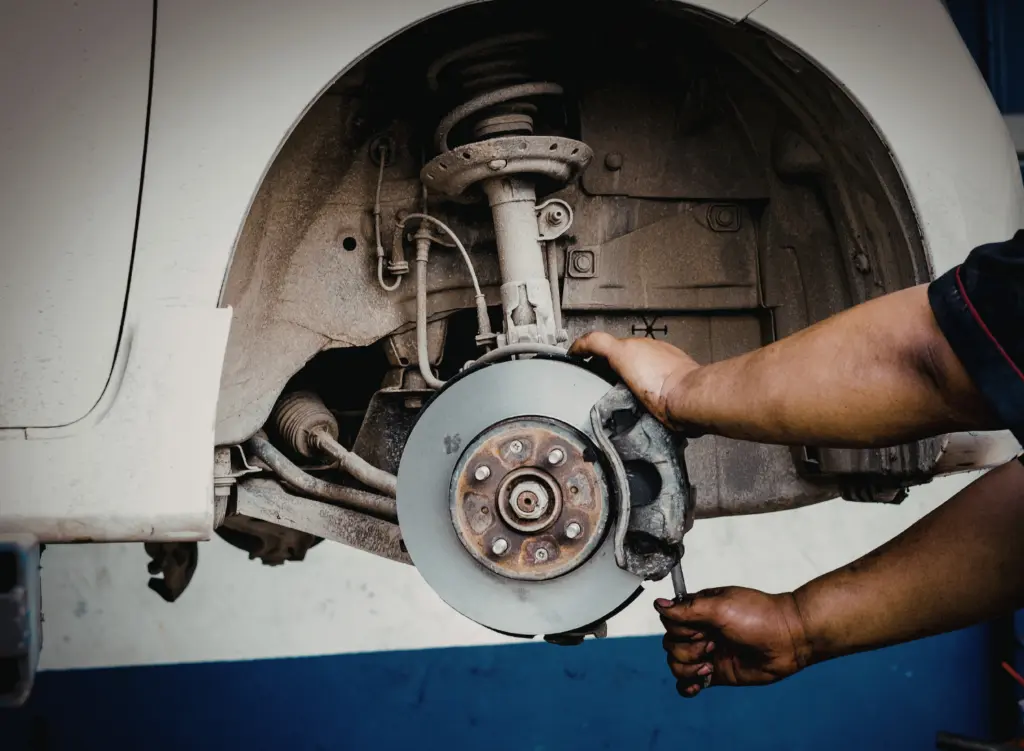
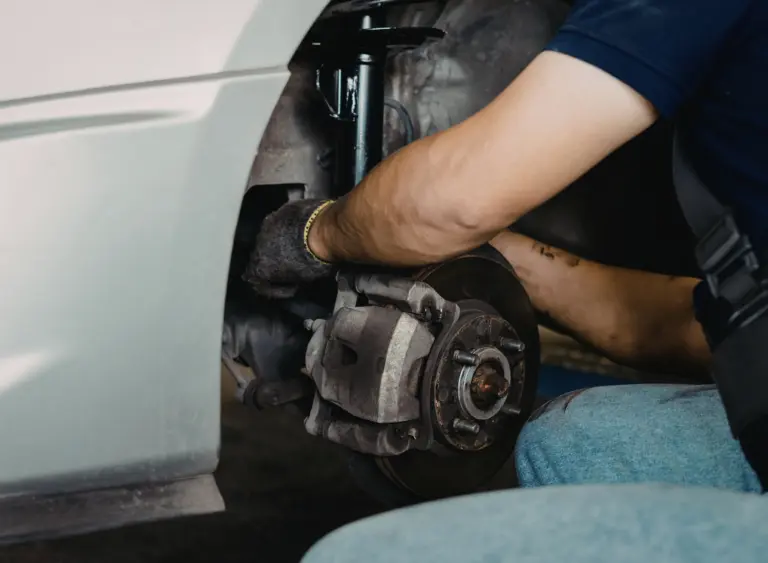
A brake inspection covers the entire system: pads, rotors, calipers, brake lines, hardware, and fluid condition. We check for wear, damage, and anything that affects how your brakes perform or how long they'll last. We recommend an inspection at least once a year or any time something feels off. Strange noise, pedal feel, or the vehicle pulling when you brake are all worth checking out promptly.

Brake Pad Replacement

Brake pads are the most frequently replaced brake component. Most last between 30,000 and 70,000 miles depending on driving habits, vehicle weight, and pad material. We replace pads with the correct spec for your vehicle and driving style, and we always check rotor condition at the same time. Installing new pads on damaged rotors is one of the most common brake mistakes. We don't skip that step.

Rotor Resurfacing & Replacement

Rotors can warp or develop uneven wear over time, which shows up as a vibrating or pulsating pedal when you brake. Minor surface issues can sometimes be corrected by resurfacing, but rotors that are below minimum thickness need to be replaced. We measure every rotor before making a recommendation so you're not replacing hardware that still has life in it.

Brake Fluid Service

Brake fluid absorbs moisture over time, which lowers its boiling point and leads to fade and soft pedal feel under hard braking. A flush removes the old fluid and replaces it with fresh fluid at the correct specification for your vehicle. It's one of the most overlooked items on a regular maintenance schedule and one of the easier ones to address before it causes a bigger problem.

YOU NEED BRAKE REPAIR IF:

  • Your brakes are squealing, grinding, or making noise when you stop
  • Your pedal feels soft, spongy, or sinks lower than it used to
  • Your vehicle pulls to one side when you brake
  • Your brake warning light is on
  • You can't remember the last time your brakes were inspected
Talk to Our Experts

COMMON BRAKE REPAIR QUESTIONS

  • How do I know if my brakes need to be repaired?

    The most common warning signs are squealing or grinding when you brake, a soft or spongy pedal, the vehicle pulling to one side when stopping, a vibrating pedal, or a brake warning light on the dash. Any one of these is worth having looked at. In our experience, brake problems almost always give you warning before they become dangerous. The mistake is ignoring the warning and letting a straightforward repair turn into something more involved.
  • How long do brake pads and rotors last?

    Brake pads typically last between 30,000 and 70,000 miles, depending on driving habits, vehicle weight, and the type of pad. Rotors generally last longer — often 70,000 miles or more — but they wear faster when pads are left too long without replacement. These are averages. City driving with a lot of stop-and-go puts more stress on brakes than highway miles. If you're not sure where your brakes stand, an inspection will tell you.
  • Can I drive with squealing or grinding brakes?

    Squealing usually means your pads are getting low. Most pads have a wear indicator that makes that sound intentionally as a warning. You can typically drive on squealing brakes for a short period, but it's a sign that service is coming up soon. Grinding is a different situation. That usually means the pad material is gone and metal is contacting metal, which can damage the rotors quickly and affects your stopping distance. If you're hearing grinding, get it looked at soon.
  • How much does brake repair cost?

    It depends on what needs to be done. A pad replacement on a single axle is a different job than replacing pads and rotors on all four corners, and adding a fluid flush changes the scope again. Every repair is quoted after we inspect the vehicle, because giving a number before we know what we're dealing with isn't worth much to either of us. Stop by our Lewis Center or Hilliard location or schedule a consultation and we'll give you an accurate quote based on your specific vehicle and what it actually needs.

Contact form

form image

Reviews

Top