image

LOWERING SPRINGS, COILOVERS & PERFORMANCE SHOCKS

Lowering a vehicle changes more than the stance. It shifts the suspension geometry, alters the center of gravity, and affects how the car handles everything from highway lanes to Ohio potholes. Done well, a lowered car handles better, looks cleaner, and drives every bit as comfortably as stock. Done poorly, it scrubs tires, bottoms out on dips, and fights you on anything less than a smooth road. The setup and alignment work after the install matters as much as the parts themselves.

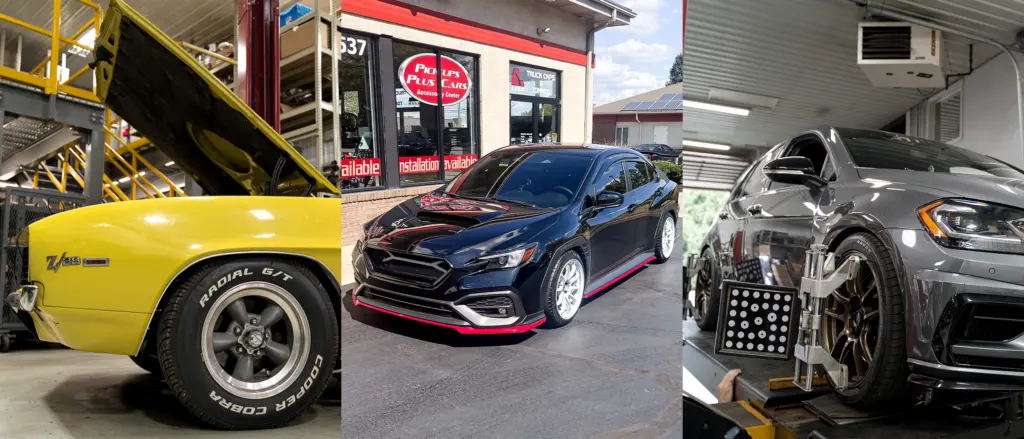
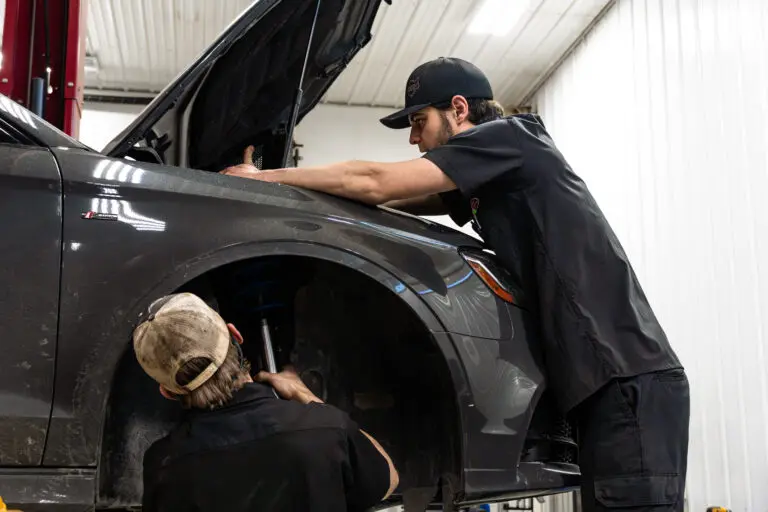
We install lowering springs, coilovers, and performance shock setups for cars, trucks, and SUVs at both our Lewis Center and Hilliard locations. Every lowering job includes a post-lower alignment to correct the geometry at the new ride height. Whether you're building a track setup or a clean daily driver with coilovers, the approach is different, and we've been doing both as part of our suspension work for Central Ohio customers since 1999.

SCHEDULE WITH US

LOWERING OPTIONS FOR YOUR VEHICLE

There are several ways to lower a vehicle, and the right choice depends on how much drop you want, what the vehicle is used for, and how much adjustability you need. Here's how the main options differ.

Lowering Springs

Lowering springs are a direct replacement for the factory springs, dropping the vehicle 1 to 2 inches depending on the application. They're the most straightforward and cost-effective way to get a lower stance. The drop amount is fixed after installation, which means they work well for daily drivers who want a cleaner look and mild handling improvement without a complex or adjustable setup.

Coilovers

Coilovers combine the spring and shock into a single adjustable unit. Ride height is adjustable after installation, so you can set the exact drop you want and fine-tune it later. Higher-end coilover setups also allow for damper adjustment, letting you dial in ride quality for street, track, or a balance between the two. Coilovers are the right choice for performance builds, track cars, or anyone who wants full control over the setup.

Performance Shocks

If the springs are in good shape but the shocks are worn, performance shock replacements can improve handling and control without changing ride height. Sport-tuned shocks matched to stock or mildly modified springs are also a good option for vehicles where the goal is better handling rather than a significant drop. We match shocks to the specific application rather than defaulting to a generic upgrade.

Post-Lower Alignment & Setup

Lowering a vehicle changes the camber and toe settings at the new ride height. A post-lower alignment is not optional. Without it, the tires run at incorrect angles that cause uneven wear and handling that doesn't reflect what the suspension can actually do. We align every vehicle after lowering work and make any necessary adjustments to ensure the result drives as well as it looks.

YOU NEED THIS IF:

  • You want a lower, more aggressive stance on a car, truck, or SUV
  • Your factory suspension feels floaty and you want better handling dynamics
  • You're building a performance or track-focused setup and need adjustable ride height
  • You've lowered the vehicle before but want the alignment and geometry done correctly this time
  • You want a daily driver drop that doesn't sacrifice comfort on Ohio roads
Talk to Our Experts

COMMON QUESTIONS ABOUT LOWING SUSPENSION

  • How much can I lower my vehicle?

    It depends on the vehicle and the setup. Lowering springs typically drop a car 1 to 1.5 inches. Coilovers can go lower — 2 to 3 inches or more depending on the design and the vehicle's suspension geometry. The practical limit is clearance: you need enough to handle road irregularities without bottoming out the chassis or rubbing tires on the wheel wells. We look at your vehicle and your goals before recommending a drop amount that works for how you actually drive.
  • Will lowering my car hurt the ride quality?

    It depends on what you lower it with. Cheap lowering springs paired with worn factory shocks often produce a harsh, bouncy ride — the spring rate increases but the shock can't control the movement. Quality lowering springs matched to appropriate shocks, or a well-set-up coilover, can ride comparably to stock or better. Coilovers with adjustable damping let you tune it further. We don't default to the cheapest option; we recommend the setup that fits how you drive.
  • Do I need an alignment after lowering my vehicle?

    Yes, every time. Lowering changes the geometry of the suspension — specifically camber and toe — at the new ride height. Factory alignment specs are set for stock height. Running a lowered vehicle without a post-lower alignment causes the tires to contact the road at an incorrect angle, which produces uneven wear on the inner or outer edges and handling that's worse than it should be. We include an alignment with every lowering job.
  • Can I lower a truck or SUV?

    Yes. Lowering trucks and SUVs is a different process than lowering a car (the suspension geometry and components differ) But it's work we do regularly. Common applications are sport trucks and SUV builds where the goal is a cleaner, lower stance. We assess the specific vehicle before recommending a setup, since the options and the practical limits are different than on a passenger car.

Contact form

form image

Reviews

Top