
How Custom Wheels Affect Your Ride Quality (And What Size Is Right for You)
Custom wheels do far more than change a vehicle’s appearance; they directly influence ride quality, handling, and overall driving performance. For drivers considering an upgrade, understanding how wheel size and design affect comfort and control is essential. At Pickups Plus Cars, specialists help vehicle owners choose wheel options that balance style, performance, and everyday drivability.
How Wheel Size Impacts Comfort
One of the most noticeable ways custom wheels affect ride quality is through size and sidewall height. Larger wheels usually require lower-profile tires with shorter sidewalls. This setup improves responsiveness and cornering but reduces cushioning over bumps. Smaller wheels paired with taller sidewalls absorb more road imperfections, creating a smoother ride.
The Role of Wheel Weight
Wheel weight plays a major role in how a vehicle feels on the road. Lighter wheels reduce unsprung weight, allowing the suspension to respond more efficiently to uneven surfaces. This improves steering response and can enhance ride comfort. Heavier wheels may look impressive, but can strain suspension components and slightly reduce braking and acceleration efficiency. Performance-minded drivers often choose lightweight alloy or forged wheels for a better balance between comfort and control.
Why Tire Choice Matters
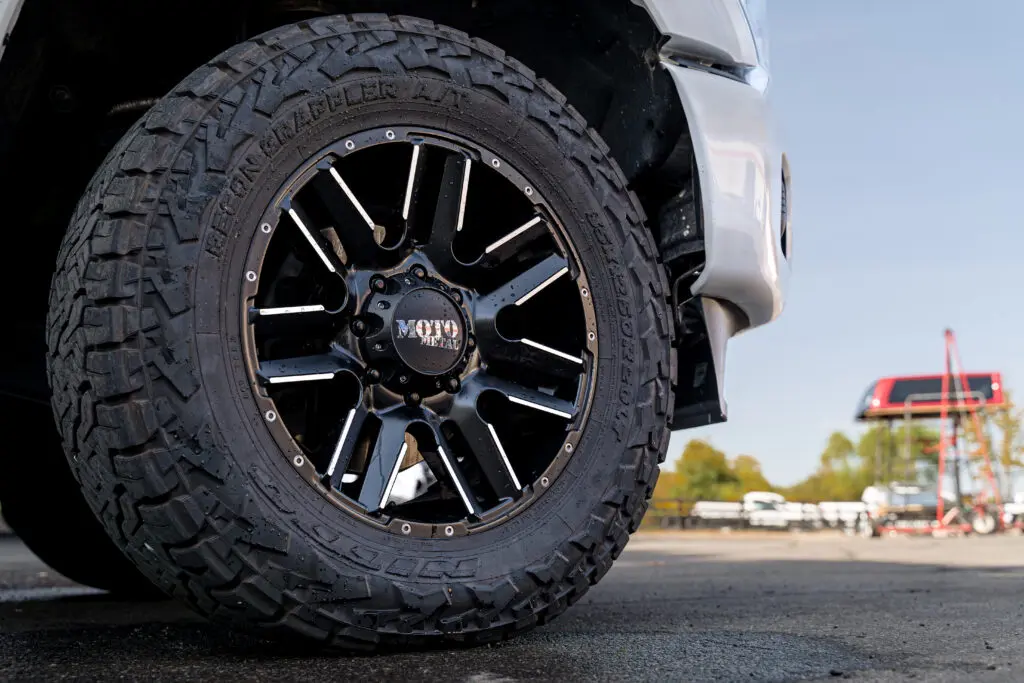
Tires work hand in hand with wheel selection. An upgrade without properly matched tires can harm ride quality and traction. The right wheels & tires package ensures the correct load rating, speed rating, and tread pattern for the vehicle’s intended use. Touring tires emphasize comfort and low noise, performance tires improve grip and steering precision, and off-road tires add durability but may feel firmer on pavement.
Width, Offset, and Handling
Wheel width and offset influence stability and steering behavior. Wider wheels increase the contact patch for better grip, but excessive width can cause tramlining, where the vehicle follows road grooves. Offset determines how the wheel sits within the wheel well and affects suspension geometry. Proper fitment prevents rubbing, preserves steering feel, and maintains ride comfort.
Choosing the Right Size for Your Driving Style
Selecting the correct wheel size depends on how the vehicle is used. Daily commuters often benefit from sizes close to factory specifications for comfort and fuel efficiency. Drivers seeking sharper handling may prefer slightly larger wheels with performance tires. Truck and SUV owners may choose larger diameters for visual impact or compatibility with suspension upgrades. Each option involves trade-offs between comfort, appearance, and performance.
Custom Wheels as Smart Upgrades
Custom wheels are increasingly viewed as smart upgrades because they enhance both form and function. When properly chosen, they can improve braking performance, stability, and road feel. Focusing solely on appearance may compromise comfort or safety, so expert guidance ensures the upgrade delivers long-term benefits rather than drawbacks.
Installation and Ongoing Maintenance
Professional mounting, balancing, and alignment are essential to preserving ride quality. Poor installation can cause vibration, uneven tire wear, and reduced handling. Routine services such as rotations and balance checks help maintain comfort and extend tire life.
A Better Ride Starts With the Right Fit
Choosing the right wheel size ultimately comes down to driving habits, road conditions, and personal style. Performance-focused drivers may accept a firmer ride for sharper handling, while daily drivers often prioritize smoothness and durability. At the Lewis Center location, customers receive tailored recommendations based on vehicle type and goals. With expert installation and careful selection, custom wheels become an investment in improved ride quality, confident handling, and a more enjoyable driving experience.

STAY CONNECTED
Follow us online to keep up on future updates, discounts, new products, and new projects.


